-
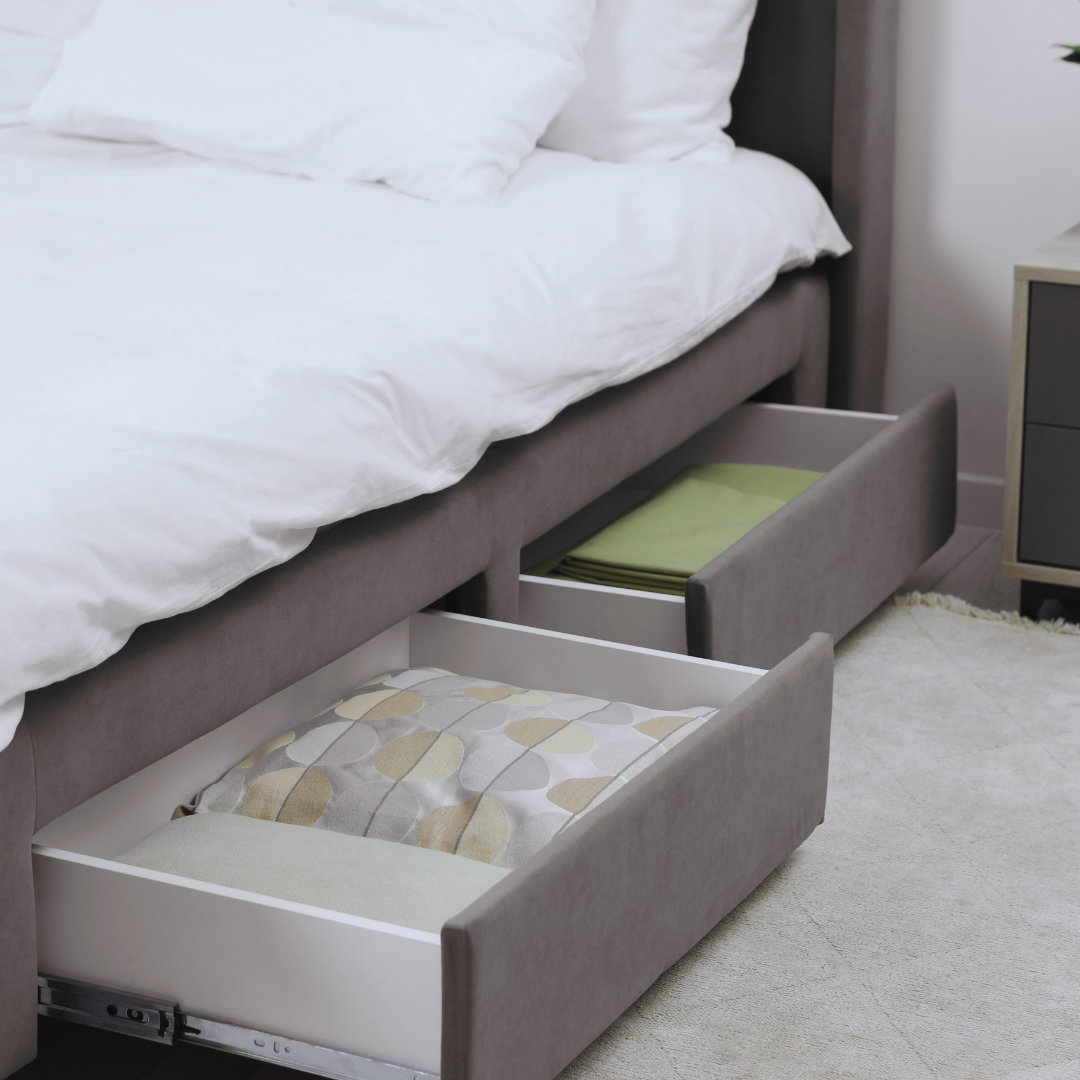
How to Design a Small Space for Maximum Comfort with Practical Layout Tips
Designing a small space for maximum comfort requires careful selection of furniture and smart use of layout. The key is to prioritise multifunctional pieces and create open areas to avoid clutter, making the space feel larger and more inviting. Lighting and colour also play crucial roles in enhancing comfort. Using natural light and light-coloured walls can open up the room, while soft lighting adds warmth without overwhelming the space. Storage solutions that blend seamlessly with the décor help maintain organisation without sacrificing style. Thoughtful design choices can transform even the smallest spaces into comfortable, practical living areas. Essential Principles for… Know More
-
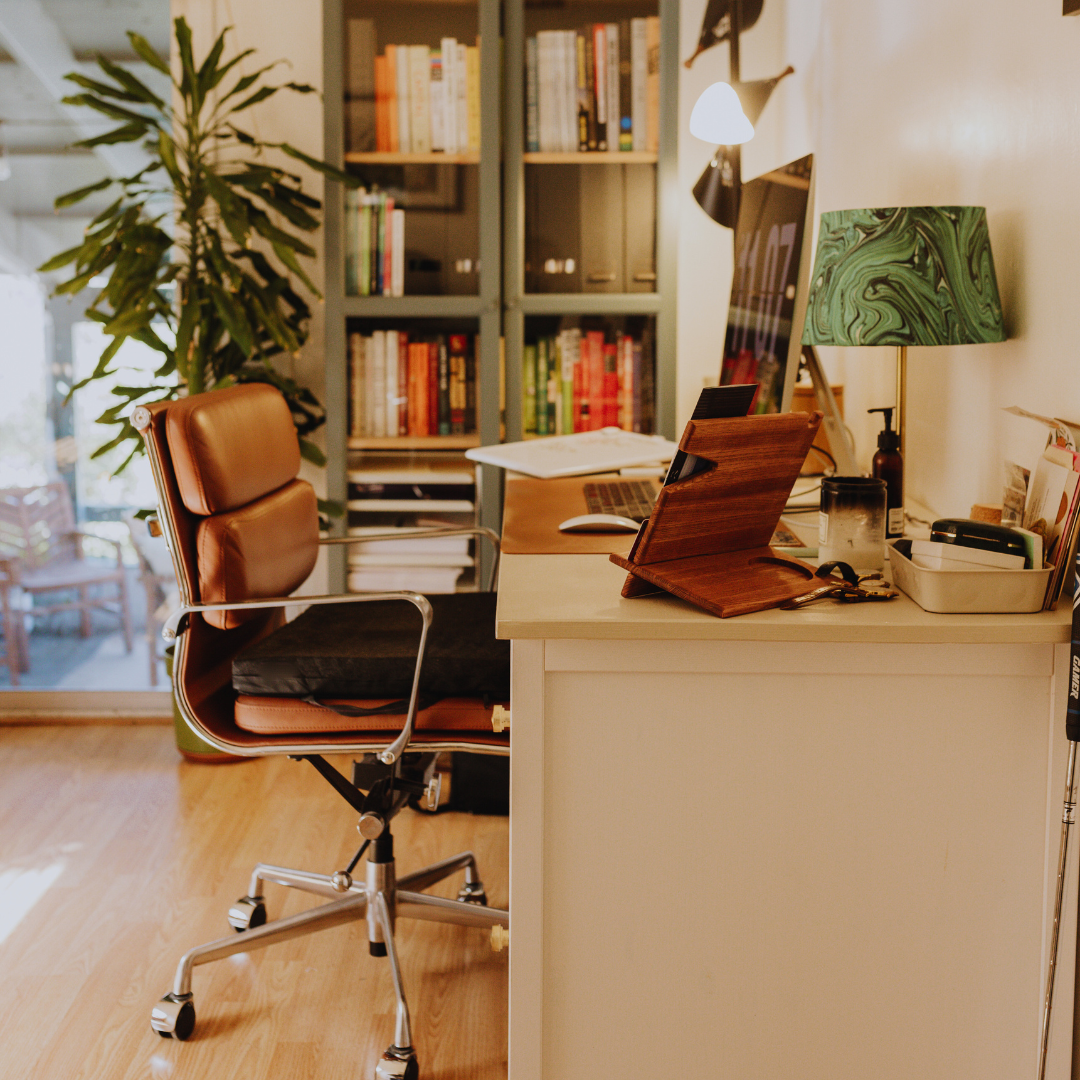
How to Create a Functional Home Office on a Budget with Practical Tips and Affordable Solutions
Creating a functional home office on a budget is achievable with smart planning and prioritising essential items. The key is to focus on practical furniture, efficient organisation, and making use of affordable materials without compromising comfort or productivity. This approach avoids unnecessary expenses while still providing a workspace that meets daily needs. Many people believe that setting up a home office requires a large investment, but thoughtful choices can significantly reduce costs. It is possible to repurpose existing furniture, shop sales, or even use DIY solutions to create an effective workspace on a limited budget. This article will outline practical… Know More
-
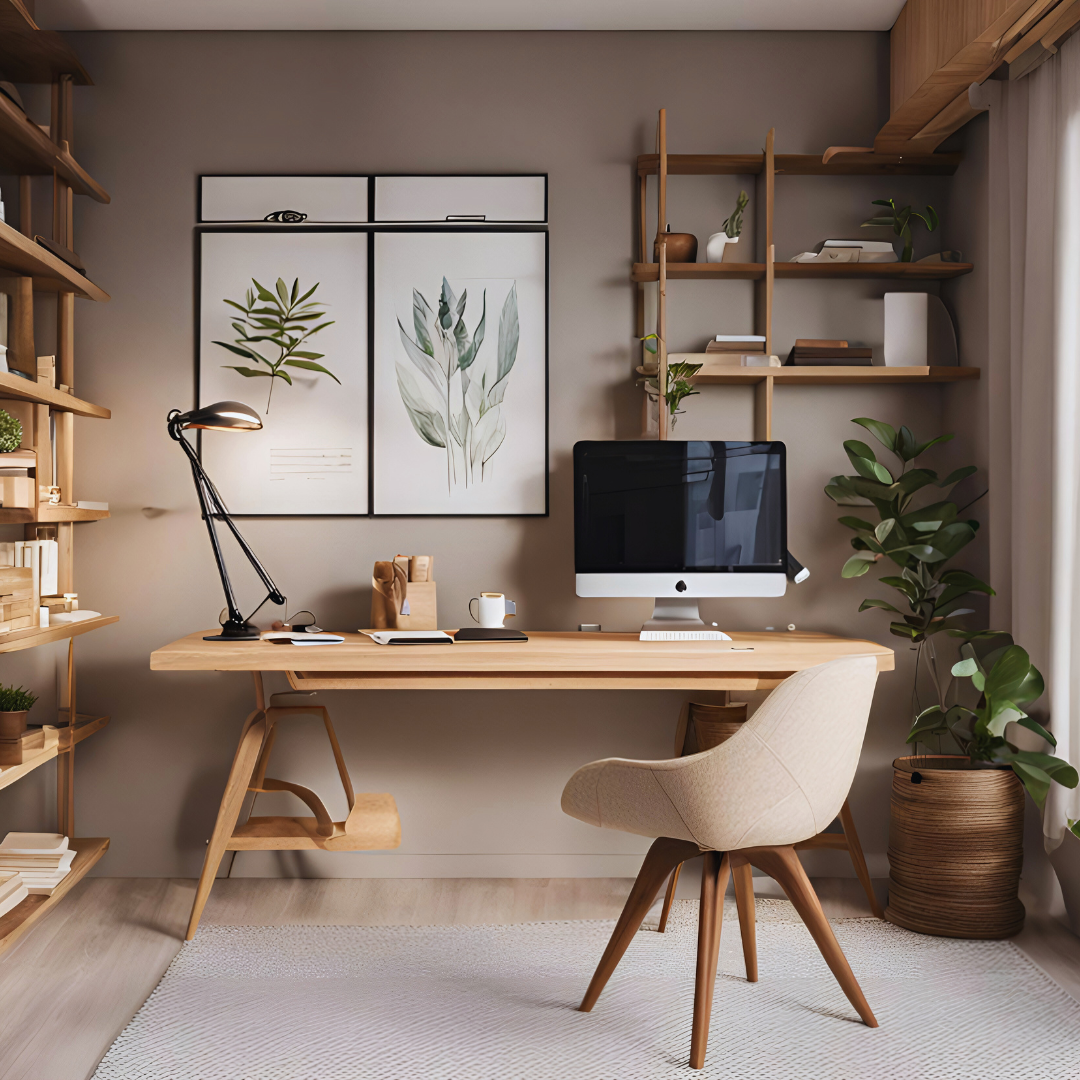
How Remote Work Is Shaping Home Design Choices And The Future Of Living Spaces
Remote work has sparked significant changes in how people design their homes. As more individuals work from home, priorities have shifted towards creating functional, comfortable workspaces within residential environments. The need for dedicated, well-equipped home offices is now a key driver in modern home design choices. In addition to workspaces, homeowners are rethinking layouts to balance professional and personal life. Features like soundproof rooms, improved lighting, and ergonomic furniture have become important. These changes reflect a broader shift towards homes that support productivity and wellbeing simultaneously. The Influence of Remote Work on Home Design Priorities Remote work has shifted the… Know More
-

How Interest Rates Affect Buying Decisions and Influence Consumer Behaviour
Interest rates play a critical role in shaping buying decisions across various markets, especially in property and big-ticket purchases. When interest rates rise, borrowing costs increase, which often leads buyers to reconsider or delay their purchases. Conversely, lower rates tend to encourage spending by making loans more affordable. Understanding that higher interest rates increase the total cost of borrowing is key to making informed buying choices. This factor affects how much consumers are willing or able to spend and can influence the timing of purchases. Many people weigh current rates against their financial situation before committing. Buyers who stay aware… Know More
-
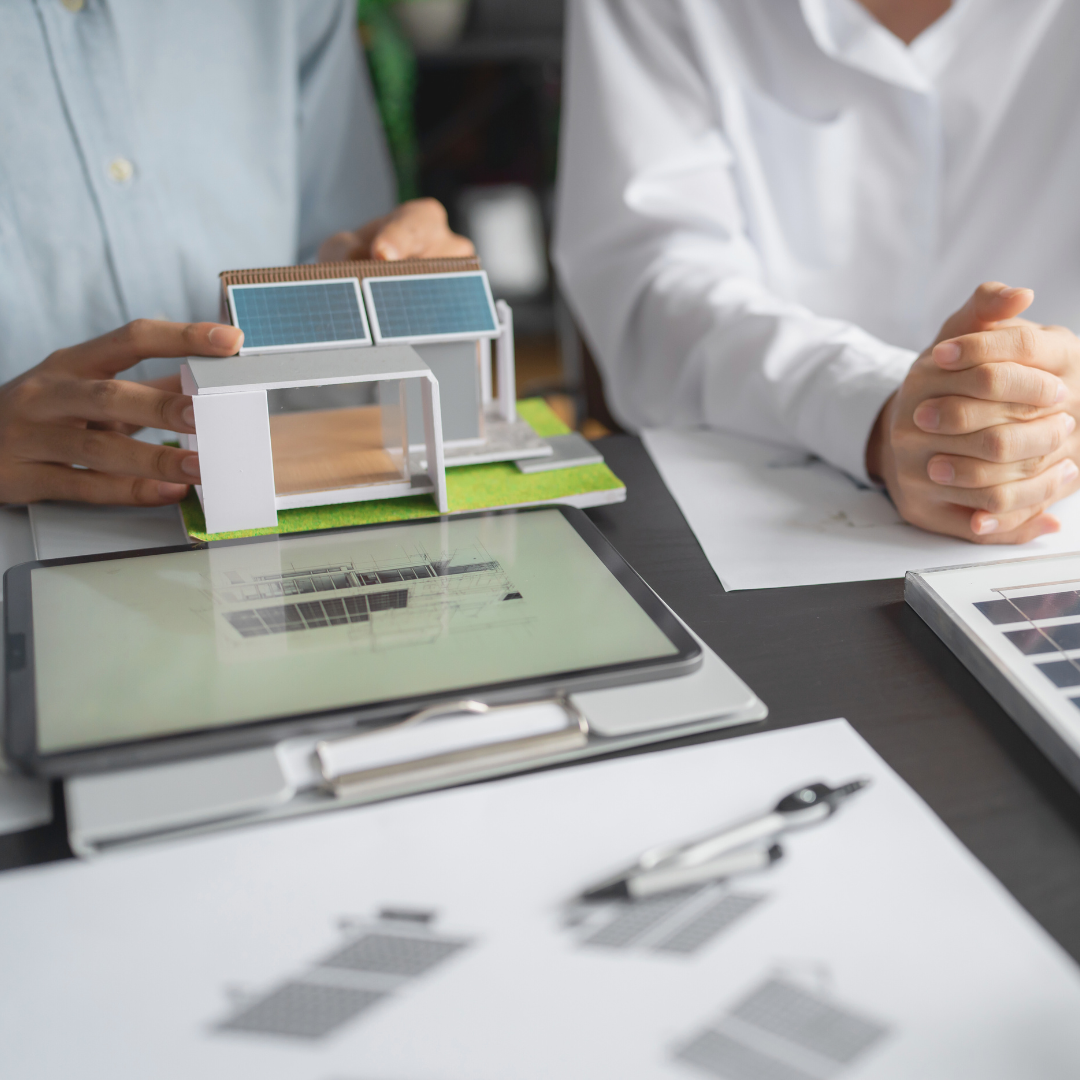
Why Energy-Efficient Homes Are the Future of Sustainable Living
Energy-efficient homes represent a significant shift in how society approaches living spaces and sustainability. As climate change continues to present challenges, the demand for homes that reduce energy consumption and lower carbon footprints has never been greater. Investing in energy-efficient technologies not only contributes to environmental stewardship but also leads to long-term cost savings for homeowners. With advancements in building materials and smart technology, energy-efficient homes are becoming increasingly accessible and desirable. They provide enhanced comfort, improved indoor air quality, and reduced utility bills. As awareness of environmental issues grows, more individuals are recognising the importance of choices that lead… Know More
-

What to Include on Your Home Viewing Checklist for a Successful Property Tour
Crafting a home viewing checklist can streamline the process of evaluating potential properties. Key elements to consider include assessing the condition of essential systems, understanding the local area, and evaluating layout and space. By breaking down these factors, prospective buyers can make informed decisions that suit their needs. Incorporating details like the property’s age, maintenance history, and available amenities helps create a comprehensive overview. Additionally, noting the proximity to schools, public transport, and shops ensures that lifestyle requirements are met. Prioritising these aspects allows buyers to focus on what truly matters in their search for a new home. Ultimately, a… Know More
-

What to Check Before Buying a Fixer-Upper: Essential Tips for Savvy Homebuyers
Buying a fixer-upper can be a rewarding project, but it requires careful consideration. Before making a purchase, potential buyers should assess the structure’s condition, estimate renovation costs, and understand local zoning regulations. These factors can significantly affect the project’s feasibility and budget. Inspecting the property thoroughly is essential. Key areas to evaluate include the foundation, roof, plumbing, and electrical systems. Any significant issues in these areas could lead to unexpected expenses and delays in the renovation timeline. Buyers should also consider the neighbourhood and property values in the vicinity. Understanding the market will help gauge whether the investment will yield… Know More
-

Tips for Negotiating a Better House Price: Strategies for Homebuyers
Negotiating a better house price can significantly influence the financial outcome of a property purchase. Effective preparation and understanding the local market can empower buyers to secure a favourable deal. Armed with the right strategies, anyone can approach the negotiation table with confidence. Researching comparable property prices in the area will provide crucial insight into what constitutes a fair offer. Armed with this information, buyers can present a strong case for their proposed price, increasing their chances of success. Additionally, timing the offer strategically can impact negotiations, as market conditions fluctuate. Emphasising the strengths of the property whilst identifying potential… Know More
-

The Shift Towards Remote-Friendly Homes: Redefining Living Spaces for a Flexible Future
The rise of remote work has transformed the way people think about their living spaces. As more individuals embrace work-from-home arrangements, there is a growing demand for homes that cater specifically to the needs of remote workers. This shift has led to the design of remote-friendly homes, featuring dedicated office spaces, improved internet connectivity, and environments conducive to productivity. Remote-friendly homes are not just about aesthetics; they are designed to enhance functionality. Home offices must accommodate everything from video calls to quiet research, enabling seamless transitions between work and personal life. This evolution reflects a broader understanding of how living… Know More
-

Pros and Cons of Buying a New-Build Home: A Comprehensive Guide
Buying a new-build home can be an appealing option for many prospective homeowners. The advantages include modern amenities, energy efficiency, and the freedom to personalise certain aspects of the property. However, there are also considerations, such as potential construction delays and less established neighbourhoods. New-build homes often feature the latest construction technologies, which can lead to lower maintenance costs and better energy efficiency. Yet, buyers should be aware of the issues that may arise from purchasing in a developing area, such as limited access to local services or higher premium prices compared to older homes. Understanding both the pros and… Know More

Recent Categories
Recent Posts
- The Pros and Cons of Selling Without an Agent Explained Clearly and Objectively

- The Growing Appeal of Neutral Colour Palettes in Modern Interior Design Trends
- The Emotional Side of Selling a Long-Time Family Home: Understanding Sentiments and Practical Considerations

- The Best Ways to Blend Modern and Vintage Décor for Timeless Interior Style
- How to Stage a Home for Quicker Selling: Effective Tips to Maximise Appeal and Value