


Blending modern and vintage décor creates a unique space that balances the charm of the past with contemporary style. The best way to achieve this is by mixing key vintage pieces with sleek modern elements to maintain harmony without clutter. This approach ensures each style complements the other rather than competes.
He or she should focus on colour schemes and textures that link both styles, such as pairing a vintage rug with modern furniture or using neutral tones to unify different design eras. Thoughtful placement of statement items helps highlight the best aspects of each style while allowing the room to feel cohesive.
Careful selection and balance make blending styles manageable and visually appealing. By combining functional modern décor with character-filled vintage finds, a space can feel fresh and timeless at once.
Establishing a Cohesive Foundation
Creating a seamless blend between modern and vintage décor starts with a solid base. The right choices in style, scale, and colour help unify diverse elements like minimalist modern furniture and intricate vintage pieces.
Choosing Your Base Style
He or she should select either modern or vintage as the dominant style to avoid visual confusion. For example, if modern furniture with clean lines is primary, vintage items can serve as accents rather than competing for attention.
Maintaining a clear focal point supports balance. The base style acts as an anchor—whether minimalist simplicity or detailed antiquity. This approach prevents the mix from feeling cluttered.
They should consider the architectural features of the space. Rooms with high ceilings and mouldings may better suit vintage foundations, while open-plan areas often lend themselves to modern minimalism.
Balancing Proportions and Scale
Mixing modern and vintage requires attention to size and form. Large vintage furniture can overwhelm a compact modern setting if not balanced properly.
They should strive for proportional harmony by pairing chunky vintage pieces with sleek, smaller modern items. For instance, a substantial vintage armchair works well alongside a slim modern coffee table.
Similarity in scale often results in more comfortable and functional layouts. Visual tension arises when pieces are drastically different in size or bulk, disrupting flow.
Building a Harmonious Colour Palette
A cohesive colour palette links modern and vintage elements effectively. Neutral tones such as grey, beige, or soft white provide a calming backdrop.
They can introduce colour through accessories like cushions or art. Subdued vintage colours—muted greens, deep blues—sit well with modern monochrome schemes.
It is crucial to repeat certain colours across both styles. This repetition, whether in upholstery, rugs, or wall paint, creates unity and avoids visual fragmentation when mixing modern and vintage décor.
Integrating Modern and Vintage Elements
Successful integration of modern and vintage décor focuses on balance and contrast. It requires selecting pieces that complement each other through materials, patterns, lighting, and accessories, ensuring none dominate the space.
Blending Furniture Styles and Materials
Combining a contemporary sofa with a vintage coffee table creates interest through contrast. The sleek lines of the sofa offset the aged character of the coffee table, forming a balanced focal point.
Mix wood and metal finishes thoughtfully to connect eras. For example, pairing a mid-century walnut sideboard with chrome legs on a modern chair unites styles without clashing.
Using statement pieces, like a vintage armchair alongside minimalist modern furniture, adds personality. The key is to keep proportions similar to maintain visual harmony.
Mixing Patterns and Textures
Integrating geometric patterns found in modern artwork with floral or damask vintage fabrics blends old and new visually.
Textural contrast enhances layering: pair a velvet vintage armchair with a smooth leather contemporary sofa. This highlights differences without overwhelming the space.
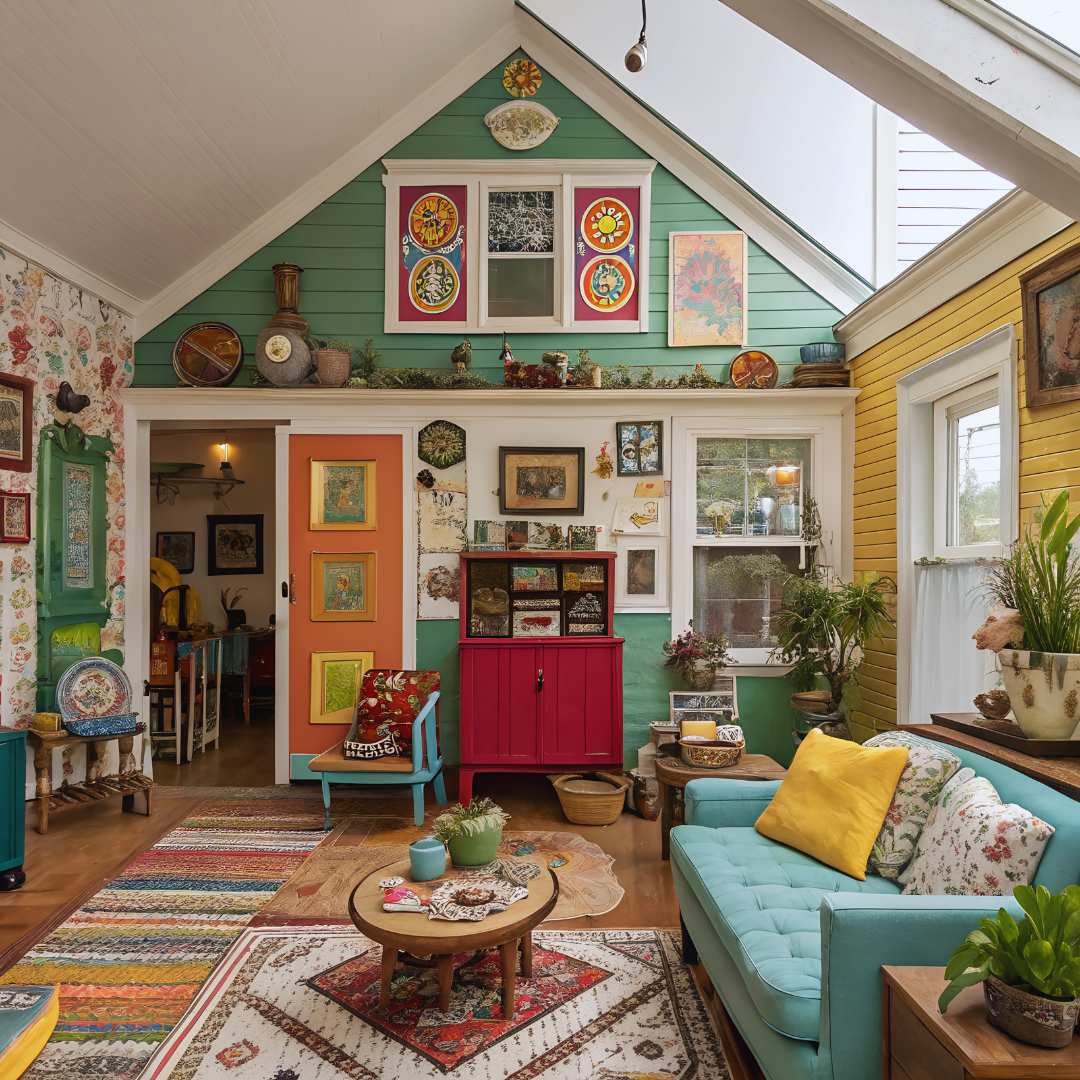
Small doses of patterned vintage fabric on cushions or throws can complement more restrained modern décor. Consistent colour palettes tie the mix together, avoiding visual chaos.
Layering Lighting Choices
Lighting can bridge modern and vintage décor effectively. A vintage chandelier acts as a statement centrepiece, while sleek modern floor lamps provide functional illumination.
Mixing brass or patina-finished fixtures with contemporary minimalist lights offers depth and interest. Varying sources such as table lamps, pendant lights, and spotlights layer ambience.
Placement is essential; position vintage lighting where it enhances architectural features, and use modern lights to highlight artwork or reading areas.
Combining Accessories Thoughtfully
Accessories like vintage frames showcase photographs or modern artwork to link styles seamlessly. They add charm without overpowering.
Strategically placing statement pieces with historic character around contemporary furniture creates focal points. Avoid clutter to maintain balance.
Choose accessories by scale and colour relevance. For example, a muted vintage vase complements a bright modern rug, supporting the design without conflict.
Curating Focal Points for Visual Impact
Creating strong focal points is essential for blending modern and vintage décor successfully. Attention to statement pieces, smooth visual flow, and the careful highlighting of artwork ensures each element stands out while maintaining balance.
Selecting Statement Pieces
Choosing statement pieces involves identifying items that draw immediate attention and set the tone for a room. A vintage chandelier can serve as a striking focal point in a living area, adding character and period charm.
Modern rooms often benefit from incorporating bold furniture, such as a mid-century modern sideboard or a contemporary art piece. These work well alongside vintage items by creating dynamic contrast.
Statement pieces should be positioned strategically. Placing a vintage armchair near a modern glass coffee table, for example, lets both styles complement one another without overwhelming the space.
Creating Visual Flow and Contrast
Visual flow guides the eye smoothly between elements, ensuring no piece clashes or feels out of place. Contrasting textures like a sleek metal lamp next to a weathered wooden chest add interest without confusion.
Colour play also supports flow. Combining neutral modern walls with rich, vintage frames around artwork creates noticeable but harmonious transitions.
A layout that balances scale prevents one style from dominating. For instance, pairing a large contemporary painting with a small but ornate vintage sculpture achieves equilibrium.
Highlighting Artwork and Décor
Artwork is a natural focal point, especially when combining pieces from various periods. Contemporary art displayed in minimalistic frames contrasts well with vintage frames, drawing attention to each.
Lighting can enhance this effect. Spotlights on a modern canvas, paired with softer ambient lighting around vintage décor, accentuate both without competition.
Grouping décor items strategically—such as clustering vintage ornaments near a modern sculpture—frames the focal area. This creates depth and emphasises the curated blend of styles.
Tips for Maintaining Style and Functionality
Blending modern and vintage décor requires ongoing attention to both aesthetics and usability. Maintaining comfort while respecting the integrity of pieces ensures the space remains inviting and practical over time.
Prioritising Quality and Comfort
When mixing modern furniture with vintage pieces, it is essential to focus on quality and comfort. Vintage furniture often offers character but may need reupholstering or minor repairs to meet today’s comfort standards. Selecting durable fabrics and supportive cushions improves usability without compromising style.
Modern furniture tends to emphasise ergonomics and minimalism, which can enhance the overall comfort of the room. Combining these with the charm of vintage items creates a balanced environment that feels both polished and cosy. Regular maintenance, such as tightening joints and cleaning, helps preserve function.
Investing in well-made pieces rather than trends ensures longevity. Comfort should not be sacrificed in the pursuit of style; instead, it should be an integral part of the design process.
Editing and Evolving Your Space
Spaces that blend styles benefit from periodic editing to avoid clutter and maintain coherence. Removing or replacing items that no longer serve their function or aesthetic keeps the room dynamic and purposeful. This approach aligns with minimalist principles, enhancing clarity.
He or she should reassess the balance between vintage and modern elements regularly, ensuring neither overwhelms the other. Adjusting colour schemes or updating textiles can refresh the look without a full redesign.
In evolving the space, it is advisable to integrate new functionality or technology subtly. For example, a vintage desk can support modern devices when paired with streamlined cable management, maintaining usability and style simultaneously.