


Creating a functional home office on a budget is achievable with smart planning and prioritising essential items. The key is to focus on practical furniture, efficient organisation, and making use of affordable materials without compromising comfort or productivity. This approach avoids unnecessary expenses while still providing a workspace that meets daily needs.
Many people believe that setting up a home office requires a large investment, but thoughtful choices can significantly reduce costs. It is possible to repurpose existing furniture, shop sales, or even use DIY solutions to create an effective workspace on a limited budget. This article will outline practical steps to design a space that supports work without overspending.
Assessing Your Needs and Workspace
Creating a functional home office begins with understanding what the workspace must accommodate and choosing the right location. Identifying essential tools, technology, and spatial requirements helps avoid unnecessary expenditure.
Evaluating Your Daily Requirements
The user should list daily tasks to determine necessary equipment and furniture. For example, if frequent video calls are part of the routine, investing in a reliable webcam and good lighting is crucial.
A basic setup for computer-based work includes a desk, chair, and adequate power sources. Additional needs might include storage for documents, dual monitors, or space for drawing materials.
Prioritising items based on daily use can help stay within budget. Multipurpose furniture or ergonomic accessories can increase comfort without extra cost.
Measuring and Selecting the Ideal Space
Accurate measurements of available areas prevent overcrowding and inefficient layouts. The workspace should accommodate a desk and chair comfortably while allowing movement.
Natural light improves productivity and reduces eye strain, so spaces near windows are preferable. However, glare on screens must be managed with blinds or curtains.
If space is limited, vertical storage or foldable furniture can maximise functionality. The selected space should ideally be quiet and free from regular household distractions.
Separating Work and Living Areas
Maintaining a clear boundary between work and personal life supports focus and mental well-being. Even in small homes, using room dividers or designated corners signals a work mindset.
This separation aids in “switching off” after work hours, reducing stress. Simple visual cues, such as specific rugs or lighting, help establish the workspace distinctly.
If full separation isn’t feasible, storing work materials out of sight after use keeps the living area uncluttered and maintains a professional environment on a budget.
Choosing Budget-Friendly Furniture and Essentials
Creating a productive workspace without overspending involves prioritising crucial items and exploring practical alternatives. Key factors include selecting desks and chairs that balance comfort and cost, and considering second-hand or DIY options that save money while meeting functional needs.
Selecting an Affordable Desk
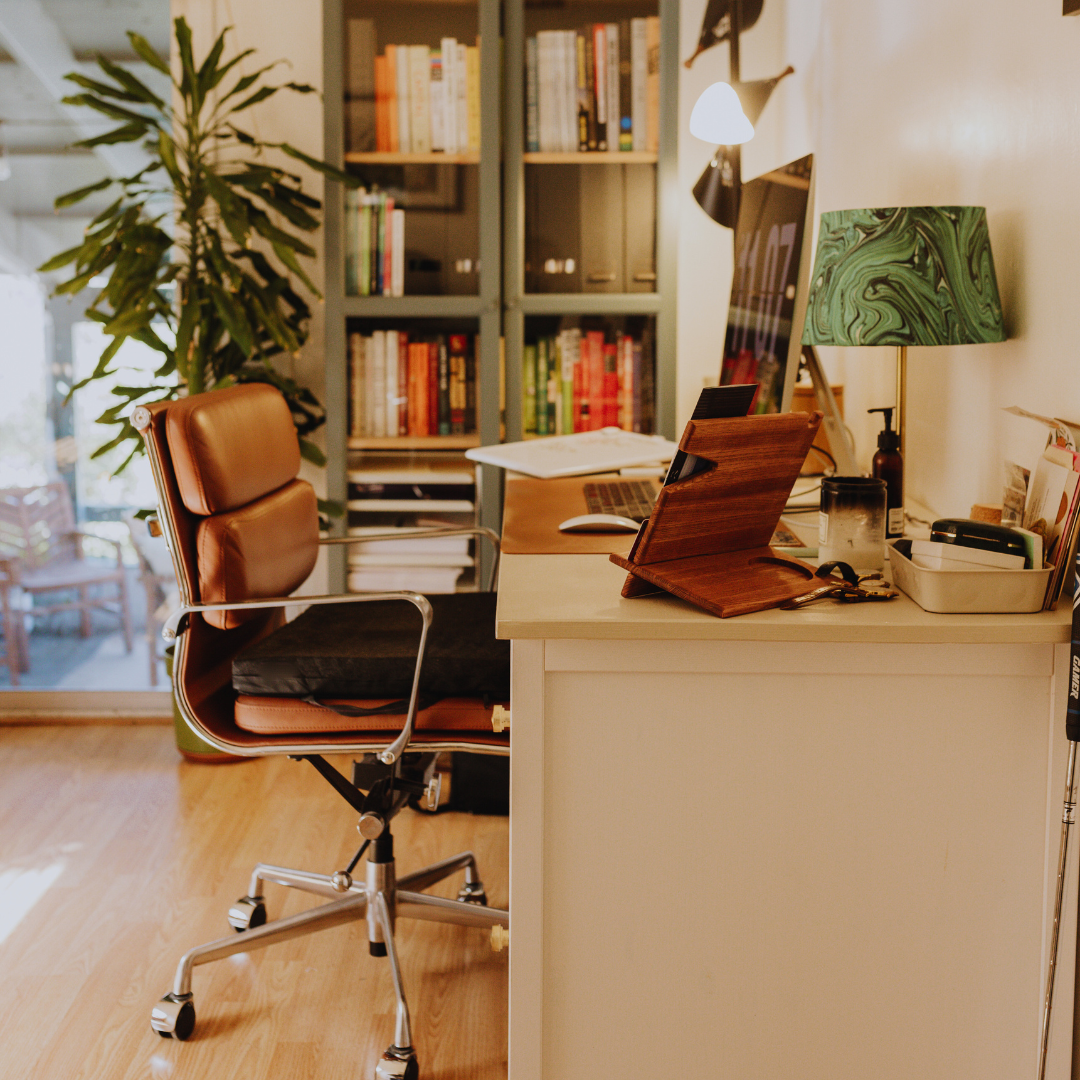
A budget desk should offer enough surface area for a computer, paperwork, and essential accessories. Simple designs with durable materials like laminated wood or metal frames are more affordable and versatile.
Height-adjustable or standing desks often cost more but can improve posture and reduce fatigue. Low-cost manual models provide some adjustability without the premium price. Compact corner desks or foldable desks are space-saving choices available at budget-friendly retailers.
Features such as cable management holes or built-in shelves may be less common in cheaper models, but can sometimes be added with affordable accessories.
Cost-Effective Office Chair Options
An office chair with ergonomic support is important for comfort during long working hours. Look for chairs with adjustable height and backrests to suit individual needs.
Budget office chairs may lack advanced features, but can work well if paired with a lumbar support cushion. Mid-range foam padding combined with breathable fabric often balances comfort and price.
Retailers like IKEA, Argos, or local furniture outlets offer a range of desk chairs starting around £50. Basic rolling or swivel chairs can be practical if supplemented by small adjustments and accessories.
Second-Hand and DIY Furniture Solutions
Buying second-hand furniture is a cost-effective way to access higher-quality desks and office chairs. Platforms like Facebook Marketplace, Gumtree, and charity shops often list items in good condition for under half the retail price.
DIY solutions involve repurposing items such as dining chairs or tables into office furniture. Adding cushions or ergonomic accessories can enhance comfort without significant cost.
Simple customisations like painting or refinishing can refresh an old desk, extending its usability. This approach also reduces waste and allows for personalisation within a tight budget.
Creating a Comfortable and Ergonomic Workspace
A functional home office should prioritise comfort, support good posture, and make effective use of available light and space. Thoughtful planning reduces physical strain and increases productivity without demanding a large budget.
Improving Workspace Ergonomics on a Budget
Ergonomics focuses on positioning the body to reduce strain and injury. A basic yet effective way to improve this is by using a chair with adjustable height and lumbar support. If a new chair is not affordable, adding a cushion or rolled towel can support the lower back.
The desk height should allow forearms to rest parallel to the floor when typing. If the desk is too high, a footrest like a sturdy box or stack of books can help maintain posture.
Monitor placement is crucial — the top edge should be at eye level to prevent neck strain. Elevating a screen with inexpensive stands or books will improve alignment and comfort.
Lighting with Natural and Low-Cost Solutions
Natural light is ideal for reducing eye strain and improving mood. Position the desk near a window, but avoid direct glare on screens by using sheer curtains or blinds.
When natural light is limited, energy-efficient LED desk lamps that mimic daylight tones provide good illumination. These lamps often have adjustable brightness, which helps to tailor lighting to different tasks.
Using reflective surfaces like white walls or light-coloured desks increases light dispersion, helping to brighten the workspace without extra cost.
Smart Organisation and Storage Ideas
Keeping the workspace organised reduces distractions and improves efficiency. Simple storage solutions such as stackable trays, clipboards, or repurposed containers keep office supplies tidy without high expense.
Wall-mounted shelves or pegboards use vertical space effectively, freeing up the desktop. Labels on containers and folders ensure easy identification and access.
Cable management can be achieved with inexpensive clips or ties to avoid clutter and accidental disconnections. A neat workspace creates a comfortable environment conducive to focused work.
Adding Style and Personality with Affordable Office Décor
Creating a welcoming workspace enhances productivity and comfort without overspending. Simple decorating choices can bring character and inspiration to the office, reflecting personal taste while remaining budget-friendly.
Inexpensive Decorative Touches
Affordable office décor can include items like framed prints, plants, and cushions. Printed motivational quotes or personal photos in low-cost frames add character without clutter.
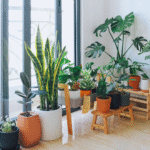
Small plants or succulents introduce natural colour and improve air quality. Use inexpensive pots or recycled jars as plant holders to keep costs down.
Functional accessories such as colourful organisers, desk pads, or lampshades can refresh a space. Thrift shops and discount stores often carry unique and cheap décor items.
DIY Office Décor Ideas
DIY décor offers personalisation at minimal expense. Creating wall art with printed templates or hand-painted canvases allows for a unique style expression.
Repurposing household items like mason jars for pen holders or fabric scraps for decorative cushions saves money.
A simple corkboard or whiteboard framed with washi tape or painted wooden strips provides organisation and visual appeal. This approach combines creativity with practicality in a home office.