


Lighting shapes the atmosphere of any home and influences how comfortable and inviting a space feels. It affects mood, highlights key features, and guides movement within rooms.
Good lighting balances natural and artificial sources to create warmth and openness, making a home truly welcoming. Without it, even well-decorated spaces can feel cold or uninviting.
Understanding how to use different types of lighting allows homeowners to craft an environment that feels both functional and cosy. This article explores why lighting matters and how it can transform a home’s ambience.
The Essential Role of Lighting in a Welcoming Home
Lighting shapes the atmosphere, functionality, and psychological experience within a home. Proper use of different lighting types creates a balance between comfort and practicality, impacting how residents and guests feel and behave in each room.
How Lighting Influences Mood and Atmosphere
Lighting plays a crucial role in setting the tone of a space. Soft lighting, such as warm ambient lighting, creates a cosy and inviting atmosphere that encourages relaxation. In contrast, bright artificial light can energise a room but may feel harsh if used excessively.
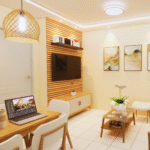
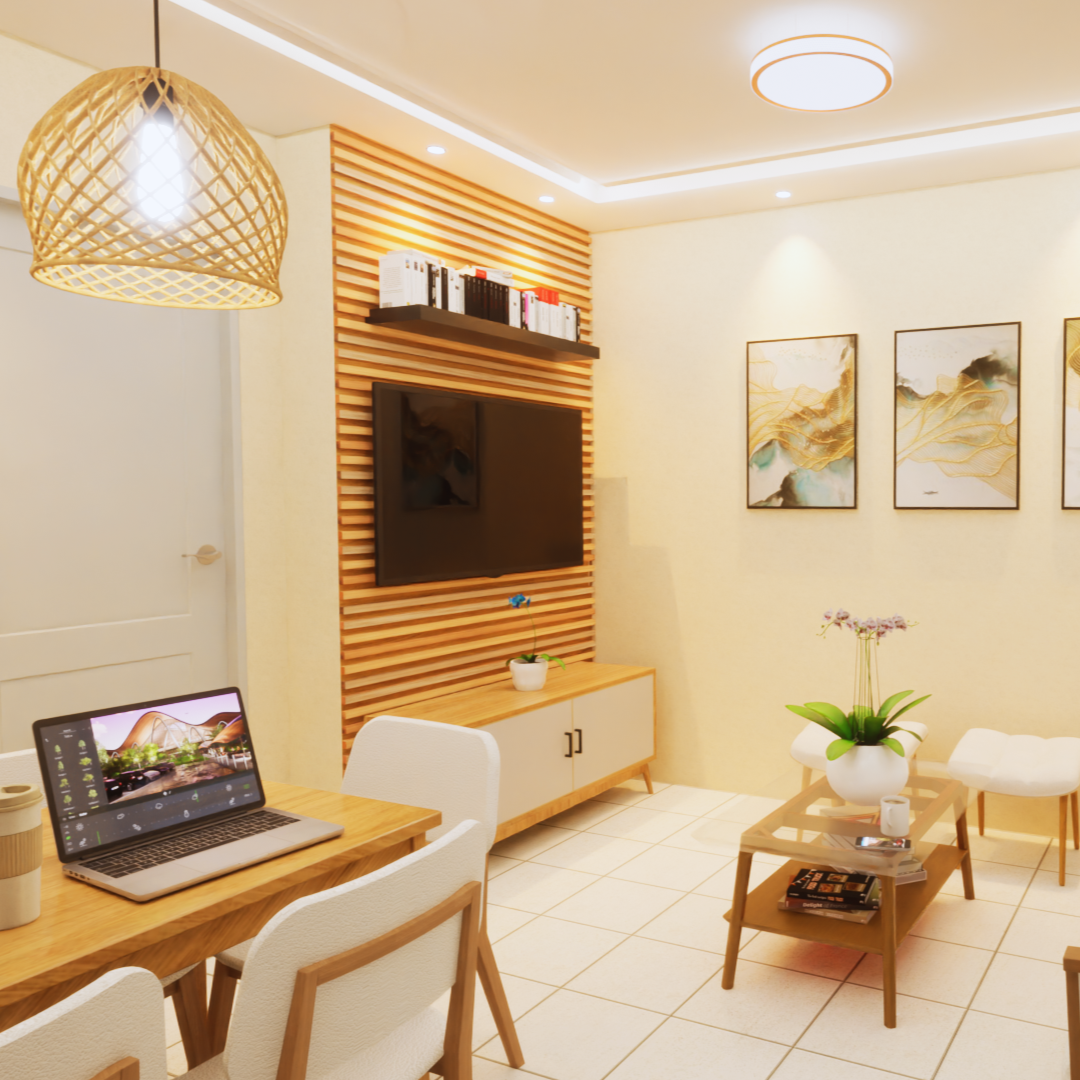
Accent lighting highlights features like artwork or architectural details, adding depth and interest without overwhelming the eyes. The colour temperature of lighting also affects mood: warm tones typically feel calming, while cooler tones promote alertness. Using a combination of these types helps control the emotional response of people in the home.
Lighting and Functional Spaces
Functionality in lighting is essential in supporting daily activities. Task lighting, such as desk lamps in study areas or focused lights in kitchens, ensures sufficient brightness to perform specific tasks accurately and safely.
Ambient lighting provides overall illumination without glaring, helping avoid eye strain or discomfort. Layering different light sources improves versatility, allowing rooms to adapt from work-focused to relaxing environments. For example, dimmable overhead lights enable adjustments based on time of day or activity.
Psychological Benefits of a Well-Lit Home
A well-lit home positively influences mental health and well-being. Natural light exposure paired with strategically placed artificial lighting helps regulate circadian rhythms, improving sleep quality.
Consistent brightness levels throughout the day reduce stress and create a sense of security. Dim or uneven lighting may cause fatigue or anxiety, whereas a balanced mix of ambient, task, and accent lighting can foster calmness and focus. This thoughtful approach enhances overall comfort and productivity for occupants.
Layering Lighting for Comfort and Ambience
Lighting in a home gains comfort and visual interest through careful layering. The combined use of different lighting types adjusts mood and functionality while adding depth to any space.
Principles of Layered Lighting
Layered lighting involves three main types: ambient, task, and accent lighting. Each serves a distinct purpose but works together to balance brightness and shadow.
Ambient lighting provides overall illumination, ensuring rooms feel neither too dark nor too harsh. Task lighting zeroes in on specific activities, such as reading or cooking, offering focused light without causing glare. Accent lighting highlights architectural features, artwork, or plants, creating visual interest and texture.
Proper layering avoids flat, one-dimensional rooms. It caters to human needs like comfort and clarity by distributing light at various heights and intensities.
Combining Ambient, Task, and Accent Sources
Effective layering starts with ambient lighting as the base. Ceiling fixtures, wall sconces, or large lamps provide this general coverage.
Next, task lighting is added where precision is needed. Desk lamps, under-cabinet lights, or adjustable floor lamps support activities requiring clear, directed light. This lighting should be bright but easily controlled.
Finally, accent lighting emphasises details and adds warmth. Spotlights and LED strips create focal points and can transform a space’s tone.
Using dimmer switches or smart lighting systems enhances control, allowing users to modify brightness according to time of day or desired atmosphere.
| Lighting Type | Purpose | Examples | Control Options |
| Ambient | General illumination | Ceiling fixtures, wall sconces | Dimmer switches, smart |
| Task | Focused light for specific work | Desk lamps, under-cabinet | Adjustable, directional |
| Accent | Highlights and décor emphasis | Spotlights, LED strips | Smart systems, dimmers |
Creating Flexibility and Depth with Multiple Layers
Multiple lighting layers enable homeowners to adapt rooms for various uses and moods. By combining sources at different heights and angles, they add three-dimensionality to spaces.
Flexibility is key: dimmer switches allow seamless transitioning from bright task lighting to cosy ambience. Smart lighting systems offer preset scenes tailored to mornings, work hours, or relaxation.
Layered lighting also reduces eye strain by balancing light intensity across the room. It minimises harsh shadows and glare, promoting comfort.
Using a mix of fixed and movable fixtures further expands options. For instance, a table lamp can complement overhead lights and be repositioned as needed.
This approach ensures lighting serves both practical needs and emotional comfort within the home environment.
Choosing Fixtures and Light Bulbs for a Welcoming Effect
Lighting choices influence the mood and functionality of living spaces. Selecting the right bulbs, fixtures, and controls creates a balanced environment that feels inviting and comfortable.
Selecting the Right Light Bulbs and Colour Temperature
Choosing light bulbs with the appropriate colour temperature is crucial. Warm white light (2700K to 3000K) mimics natural evening light and promotes relaxation, making it ideal for living rooms and bedrooms.
LED bulbs are energy-efficient and come in a variety of colour temperatures. They provide consistent light output measured in lumens, allowing precise control over brightness without excess heat.
Avoid cool white or daylight bulbs (above 4000K) in communal areas, as they can feel harsh and clinical. Instead, opt for soft, warm tones to enhance comfort and visual appeal.
Incorporating Table Lamps, Floor Lamps, and Pendant Lights
Layering light with different fixtures adds depth to a room’s ambience. Table lamps and floor lamps offer flexible, localised light sources, perfect for reading or adding a soft glow.
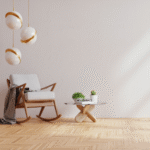
Pendant lights serve as focal points and can define areas like dining tables or kitchen islands. They often include decorative elements to complement the room’s style.
Wall sconces provide indirect lighting, reducing shadows and improving overall balance. Combining these fixtures allows for varied, adjustable lighting tailored to activities and moods.
The Impact of Dimmers and Smart Controls
Dimmer switches are effective tools to customise lighting levels and create atmosphere. They enable gradual adjustments, helping transition a space from bright and functional to cosy and intimate.
Smart lighting systems offer remote control, scheduling, and preset scenes. These features enhance convenience and allow users to adapt lighting based on time of day or activity.
Integrating dimmers and smart controls maximises flexibility with minimal effort. They also extend bulb life by reducing power usage during dimmed settings.
Finding the Ideal Brightness for Each Room
Brightness levels, measured in lumens, should correspond to the room’s purpose. Living rooms usually benefit from 1500-3000 lumens, providing enough light for socialising without being overpowering.
Bedrooms suit lower levels, around 1000-2000 lumens, focusing on relaxation. Kitchens and bathrooms require higher brightness, typically over 3000 lumens, to support tasks and safety.
Combining ambient and task lighting ensures visual comfort. Knowing the recommended lumen range for each room helps avoid under- or over-lighting.
Maximising Natural and Artificial Light Throughout the Home
Effective lighting balances natural and artificial sources to enhance comfort and functionality. Combining daylight with smart fixture placement improves ambience and usability in every room.
Harnessing Natural Light and Skylights
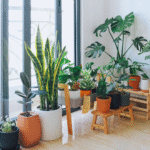
Maximising natural light reduces dependence on artificial lighting during the day. Large, unobstructed windows facing south or west provide optimal sunlight. Thin, light-coloured curtains preserve brightness while offering privacy.
Skylights are especially effective in rooms with limited wall space for windows. They increase daylight penetration, making kitchens, hallways, or bathrooms feel more open. Choosing skylights with built-in blinds allows control over intensity, preventing glare and heat buildup.
Position furniture and mirrors to reflect natural light deeper into rooms. Avoid heavy drapes or furniture blocking windows. This strategic use of daylight supports energy efficiency while creating a welcoming environment.
Integrating Under-Cabinet and Wall-Mounted Fixtures
Under-cabinet lighting in kitchens and workspaces delivers focused illumination exactly where needed. LED strips or puck lights prevent shadows on countertops, improving task visibility.
Wall-mounted fixtures add layered lighting and save floor space. Placed in living areas or hallways, they provide gentle ambient or accent light. Adjustable sconces offer flexibility to direct light where desired.
Combining these fixtures with dimmers allows control over light intensity. Using low-glare bulbs and warm colour temperatures enhances comfort while maintaining functionality.
Room-by-Room Lighting Recommendations
In living rooms, floor lamps complement overhead fixtures to create zones of light for reading or relaxing. Use dimmable lights to adjust brightness throughout the day.
Bedrooms benefit from wall-mounted reading lights and soft accent lighting. Avoid harsh overhead lights to maintain a calming atmosphere.
Kitchens require bright, even illumination with under-cabinet lights and recessed ceiling fixtures. Bathrooms should have shadow-free vanity lighting and skylights where possible.
Each room demands a mix of direct and indirect lighting tailored to its specific use, supporting both style and practicality.