





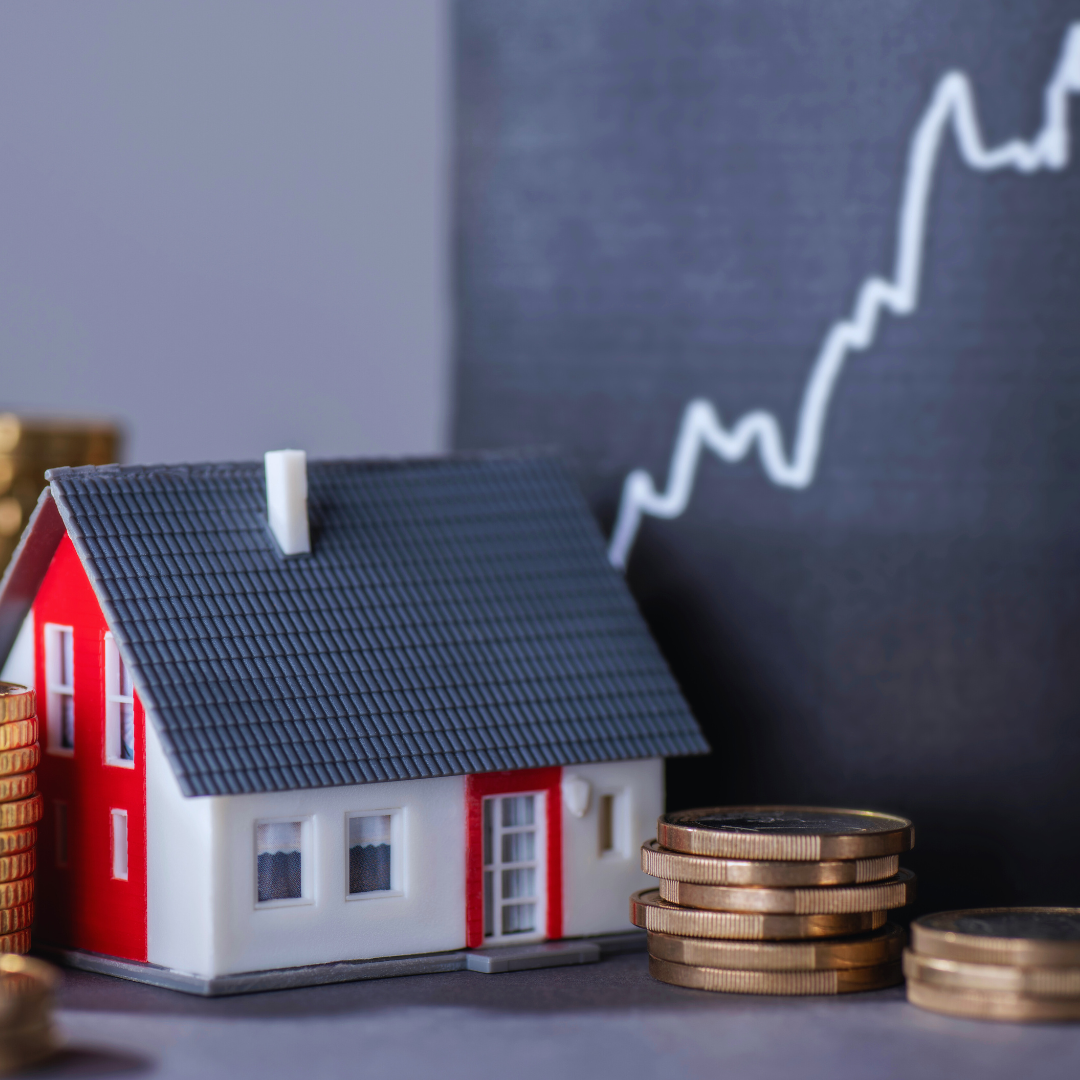
Inflation has emerged as a significant factor impacting the UK property market, shaking up previously stable price patterns. As inflation rises, property prices are affected through increased costs of materials, labour, and overall financial uncertainty, which can hinder affordability for potential buyers. Understanding these dynamics is crucial for anyone navigating the real estate landscape today.
In the past few years, rapid inflation has prompted shifts in demand and supply, further influencing property valuations. Buyers are feeling the pinch as interest rates climb, affecting borrowing costs and monthly repayments. This changing economic environment requires prospective homeowners and investors to adapt their strategies accordingly.
The future of property prices remains uncertain, with inflation likely to continue playing a pivotal role. Staying informed and aware of these trends will empower individuals to make better decisions in an ever-evolving market.
The Relationship Between Inflation and UK Property Prices
Inflation plays a significant role in shaping the dynamics of the housing market. Understanding how inflation influences property values provides insight into current trends and future expectations for UK house prices.
How Inflation Impacts the Housing Market
Inflation affects property prices by altering purchasing power and borrowing costs. As inflation rises, central banks may increase interest rates to manage economic growth, leading to higher mortgage rates. This makes home loans more expensive, discouraging buyers.
Additionally, increased inflation often results in higher construction costs, which can limit the new housing supply. With fewer homes being built, demand may outstrip supply, exerting upward pressure on property prices. This relationship creates a complex interplay influencing housing affordability in the UK.
Trends in UK House Price Growth
In recent years, UK house price growth has been closely tied to inflation rates. For instance, as inflation accelerated in 2021 and 2022, many regions reported significant increases in average house prices. The Nationwide House Price Index and the Halifax Index noted growth rates exceeding 10% annually during peak inflation periods.
Regions such as London, Manchester, and Bristol may experience more pronounced impacts due to higher demand and limited housing stock. Consequently, certain areas display more volatile price movements, making it essential for potential buyers to stay informed about local market trends.
Recent Inflation Data and Property Value Fluctuations
Recent statistics indicate fluctuating inflation rates, impacting property values differently across the UK. In early 2023, inflation peaked at around 10%, contributing to notable fluctuations in average house prices.
The Bank of England’s measures to curb inflation, including interest rate adjustments, further influence the property market. As rates rise, prospective buyers may reconsider their purchasing decisions, creating a ripple effect on property prices. Monitoring inflation trends and understanding their direct impact on UK property values can equip buyers and investors with valuable insights.
Mortgage Rates and Borrowing Costs in an Inflationary Environment
Inflation significantly impacts mortgage rates and the overall borrowing costs for home buyers. As prices rise, lenders adjust their rates, influencing the affordability of loans and, consequently, the property market itself.
Influence of the Bank of England on Interest Rates
The Bank of England plays a critical role in shaping interest rates through its monetary policy. When inflation rises, the Bank often increases the base rate to combat this trend.
Higher base rates lead to increased mortgage rates. For instance, if the Bank raises its rate by 0.5%, lenders typically pass on this cost to borrowers through higher rates. This adjustment is particularly influential on new fixed-rate mortgages, which are priced based on expectations of future interest rates.
Rising Borrowing Costs for Home Buyers
As mortgage rates escalate, borrowing costs for home buyers also rise. This trend can significantly affect affordability, limiting the number of potential buyers in the market.
For example, if a buyer requires a £200,000 mortgage and the interest rate increases from 3% to 5%, their monthly payments can rise sharply. An increase of this nature can add hundreds of pounds to monthly obligations, pushing some buyers out of the market or forcing them to reconsider their purchase options.
Fixed-Rate Mortgages Versus Variable-Rate Options
In an inflationary environment, many home buyers face the decision between fixed-rate and variable-rate mortgages. Fixed-rate mortgages lock in interest rates for a specified term, providing stability against rising rates.
Conversely, variable-rate mortgages can initially offer lower rates but may increase as the Bank of England raises its base interest rates. Buyers must weigh the benefits of immediate lower costs against the potential for increased payments in the future.
This choice highlights the importance of assessing financial situations carefully and understanding market trends as inflation impacts borrowing conditions in the housing market.
Affordability Challenges and Housing Demand
The rising inflation has significantly impacted affordability, particularly for first-time buyers. As costs escalate, housing demand shifts, reflecting changes in buyer preferences and search habits.
First-Time Buyers Facing Higher Barriers
Many first-time buyers confront substantial hurdles due to increasing property prices. Higher inflation leads to elevated living costs, making saving for a deposit more challenging. According to recent statistics, average first-time buyer deposits have risen, now reaching £30,000 in some regions.
Mortgage approval criteria have tightened as lenders respond to economic uncertainty. This has resulted in many aspiring homeowners being unable to secure financing. First-time buyers often find themselves priced out of the market, particularly in urban areas, where demand remains strong.
Shifting Housing Demand and Search Trends
Despite affordability challenges, demand for housing persists. Buyers are increasingly drawn to outer suburbs and rural areas, seeking more affordable properties. This shift is reflected in search trends, with many opting for homes offering more space and better accessibility to green areas.
Research indicates that properties in commuter towns have seen a surge in interest. The search for affordability and remote working flexibility drives this trend. Additionally, eco-friendly and energy-efficient homes are gaining popularity as buyers become more environmentally conscious. This change in preferences is altering the landscape of housing demand across the UK.
Many developers and local authorities are also now turning toward modern methods of construction that offer more predictable timelines and cost structures. Modular building solutions provide a streamlined alternative to traditional brick-and-mortar projects, significantly reducing on-site labor requirements and waste. By utilizing off-site manufacturing, projects can bypass many of the inflationary pressures associated with fluctuating material availability and weather-related delays. Accessing reliable Wintech Info regarding these bespoke structures allows stakeholders to better understand the benefits of scalable, high-quality prefab units. This shift not only helps in meeting urgent housing targets but also ensures that new developments remain financially viable in a volatile economic climate.
Stamp Duty and Market Dynamics
Stamp duty plays a crucial role in shaping the dynamics of the UK property market. Changes in stamp duty rates can significantly influence buyer behaviour and market trends.
Impact of Stamp Duty Increases and Changes
Recent increases in stamp duty have heightened the financial burden on homebuyers. For example, the threshold for paying higher rates was adjusted, leading to more buyers entering the higher tax brackets. This can discourage new entrants into the market, particularly first-time buyers, who may struggle to afford the additional costs.
As a response to inflation, the government may implement temporary reductions or exemptions on stamp duty. Such measures can stimulate the market by making properties more accessible to a broader audience. Additionally, changes in tax policies can lead to shifts in property demand, affecting prices in various segments of the market.
Market Response to Policy Adjustments
When the government adjusts stamp duty, market responses can vary significantly. Generally, a reduction in stamp duty prompts an uptick in transactions, as buyers perceive a window of opportunity. In contrast, increases often result in a slowdown, as potential buyers reassess their budgets and timelines.
Real estate agents report fluctuations in property interest aligned with government announcements on stamp duty. These policy changes can lead to speculative behaviours, where buyers rush to secure properties before new rates take effect. This dynamic can exacerbate short-term price changes, creating a ripple effect across the market.