
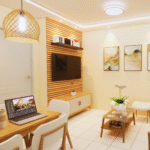
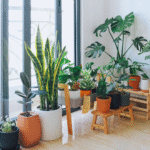


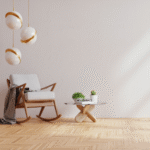

Creating a cosy corner in small homes and flats is an effective way to maximise space while adding warmth and character. The right elements, such as comfortable seating, soft textiles, and ample lighting, can transform even the most compact areas into inviting retreats. Incorporating personal touches through decor can make these nooks feel unique and tailored to individual tastes.
In urban living, where space is often limited, design choices become even more critical. Simple solutions like a well-placed bookshelf, a corner chair, or a small table can create a functional and comforting environment. These spaces not only provide a spot for relaxation but also serve as perfect settings for reading, working, or enjoying a cup of tea.
The key to crafting a cosy corner lies in careful planning and creativity. Using light colours, mirrors, and multifunctional furniture can enhance the feeling of openness. With a few thoughtful additions, anyone can turn an unutilised corner into a cherished part of their home.
Maximising Space in Small Living Areas
Optimising space in a small living area is essential for functionality and comfort. Strategic layouts and using every corner can enhance the sense of openness and create a cosy atmosphere.
Understanding Small Living Room Layouts
Small living rooms benefit from careful layout planning. An L-shaped sofa can provide seating without dominating the space. Choosing furniture with slim profiles and multifunctional designs aids in maintaining openness.
Arranging furniture to create defined zones can also enhance usability. For example, placing a small coffee table in the centre can delineate the seating area, while bookshelves along a wall maximise vertical space without encroaching on floor area.
Consider colour palettes and lighting as well. Lighter shades can make a room appear larger, while mirrors can reflect light and create the illusion of depth.
Utilising Corners for Extra Functionality
Corners often go unused in small living areas, but they can serve many purposes. Installing corner shelves allows for additional storage or display space without taking up floor space.
A corner nook can be transformed into a reading area. A compact armchair or a beanbag with a side table creates a cosy corner perfect for relaxation.
Additionally, corner desks are functional in small flats and homes. These can accommodate work-from-home needs without compromising valuable living space.
Incorporating such elements in small living areas maximises every square foot and promotes a more inviting environment.
Styling Cosy Corners for Comfort and Practicality
Creating a cosy corner involves balancing comfort with functionality. Key elements include selecting the right sofa, integrating a window seat, layering with textiles, and choosing appropriate lighting. Each component contributes to a warm and inviting atmosphere.
Choosing the Right Corner Sofa
Selecting a corner sofa is crucial for maximising space in small homes and flats. A compact design offers ample seating without overwhelming the room. Sofas with integrated storage or modular options provide versatility for arranging different layouts.
Material choice impacts both aesthetics and comfort. Soft fabrics like velvet or cotton blend luxury with practicality. Consider colour as well; muted tones create a serene environment, while bold hues can energise the space.
Additionally, the sofa’s shape should fit the corner without obstructing walking paths. A proper fit enhances accessibility and maintains a cohesive flow within the room.
Incorporating a Window Seat
A window seat utilises otherwise wasted space while inviting natural light. This feature can double as extra seating or a reading nook. The design needs to accommodate cushions for comfort.
When installing a window seat, consider using built-in shelves or storage underneath. This not only maintains a tidy appearance but also adds functionality. If the window opening requires upgrading, proper fitting, or improved energy performance, homeowners should consider hiring professionals. A trusted Window installation service in Naperville (or elsewhere) can ensure correct sealing, insulation, and a polished finish that integrates seamlessly with a built-in seat.
Choosing the right cushion fabric is essential; opt for weather-resistant materials if the window is prone to drafts. Soft, plush cushions create a welcoming vibe and encourage relaxation, making the window seat a perfect retreat.
Layering with Pillows and Throws
Layering pillows and throws enhances comfort and adds visual interest. For a snug corner, use a variety of shapes and sizes to create texture. Combine square and rectangular cushions in complementary colours or patterns that harmonise with the sofa.
Throws can be draped over the arm or back of the corner sofa. This not only adds warmth but also serves as an inviting touch. Choose throws made of soft materials to enhance the cosy feel.
Regular rotation of these textiles allows for easy seasonal updates. Switching to lighter fabrics in warmer months can refresh the space while maintaining comfort.
Accent Lighting Options
Effective lighting is essential for creating a cosy corner. A floor lamp positioned near the sofa can provide soft, ambient light. The height and design of the lamp matter; a slim profile fits neatly alongside a sofa without taking too much space.
Consider lamps with adjustable brightness settings. This feature allows for a range of moods, from a bright reading light to a soft glow for relaxation.
Incorporating pendant lights or wall sconces can also enhance the ambience. Direct light can focus on specific areas, ensuring the corner remains inviting while being practical for tasks like reading or hobbies.
Consider how natural light through your windows will play into the vibe of a room. Using high quality Custom Blinds to have the option to control the amount of natural light coming in can be a great way to get the right level of light you want in any given room. This can also help to enhance privacy and make your space feel cosier.
Design Elements to Enhance Warmth and Cosiness
Creating a warm and cosy corner in a small home or flat involves careful selection of design elements that promote comfort and relaxation. Focusing on the right fixtures can transform a space, making it inviting and personal.
Adding a Fireplace or Portable Heater
Incorporating a fireplace, whether traditional or electric, can add both warmth and a visual focal point to a small space. Electric fireplaces are available in a range of styles—some designed for wall-mounting, others made to resemble classic fireplace units. For a more integrated look, electric fireplace suites can offer a cohesive setup that combines design and function, providing the feel of a complete fireplace arrangement along with efficient, easy-to-manage heating. This approach is more suitable for compact homes or flats where space and aesthetics are both important considerations.
Alternatively, a portable heater can provide a flexible option for adding warmth without requiring installation. Choosing models with adjustable settings allows for comfort throughout the year, making it easier to adapt to seasonal changes. Whether used as a centrepiece to enhance ambience or as a practical heat source, these additions can significantly elevate the comfort and atmosphere of any cosy corner.
Integrating an Ottoman or Coffee Table
An ottoman or coffee table serves multiple purposes, offering a surface for drinks or books while providing additional seating. Opting for an ottoman with storage allows her to hide away blankets and cushions, keeping the space tidy.
In smaller homes, select tables that fit the proportions of the room. A round coffee table can facilitate movement while adding a touch of softness. Placing decorative trays on these tables can also add personality and warmth to the arrangement.
Making the Most of Natural Light
Maximising natural light is essential for creating a welcoming space. Light-coloured curtains can help diffuse sunlight, softening the glow while maintaining privacy. Positioning mirrors strategically can reflect light around the room, making it feel larger.
Using reflective surfaces on furniture or decor can enhance brightness, while keeping windows clear of clutter ensures unobstructed access to daylight, creating an airy, inviting atmosphere. Other solutions, such as blinds, shades, or decorative screens, help manage sunlight while adding style. Among these, window shutters are particularly versatile, providing precise light control and a polished look. ShuttersUp perfect fit shutters, for example, clip neatly into the frame without drilling, enabling effortless adjustment of brightness while maintaining a clean, streamlined appearance.
Smart Storage and Zoning Solutions
Maximising space in small homes and flats requires innovative solutions for storage and zoning. Effective strategies can create distinct areas while ensuring that essentials remain accessible.
Utilising Under-Bench Storage
Under-bench storage offers a practical solution for space optimisation. This type of storage can be incorporated in kitchens, dining areas, and even home offices. By installing drawers or cabinets beneath benches, one can hide away items like kitchen utensils, books, or office supplies.
Additionally, choosing multifunctional benches that include built-in storage can enhance the utility of any area. For example, a bench with a lift-up seat can store cushions or seasonal items, making it ideal for compact spaces.
Tips for implementing under-bench storage:
- Measure space: Ensure the chosen storage fits comfortably without blocking pathways.
- Use clear containers: This keeps items organised and easily visible.
- Label: Clearly label containers for quick access.
Room Dividers to Define a Cosy Nook
Room dividers play a crucial role in creating cosy nooks within open-plan spaces. These dividers can be bookshelves, curtains, or folding screens that effectively delineate different areas without closing them off completely.
Bookshelves not only create a visual barrier but also serve as additional storage. They can showcase decorative items while keeping clutter at bay. On the other hand, curtains offer flexibility; they can be drawn when privacy is needed or opened to create a more spacious feel.
Factors to consider when choosing room dividers:
- Material: Opt for lightweight materials that complement the existing decor.
- Height: Choose dividers that are tall enough to provide privacy without overwhelming the space.
- Theme: Ensure the style of the divider matches the overall aesthetic of the home.