


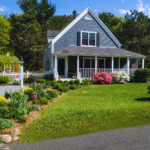


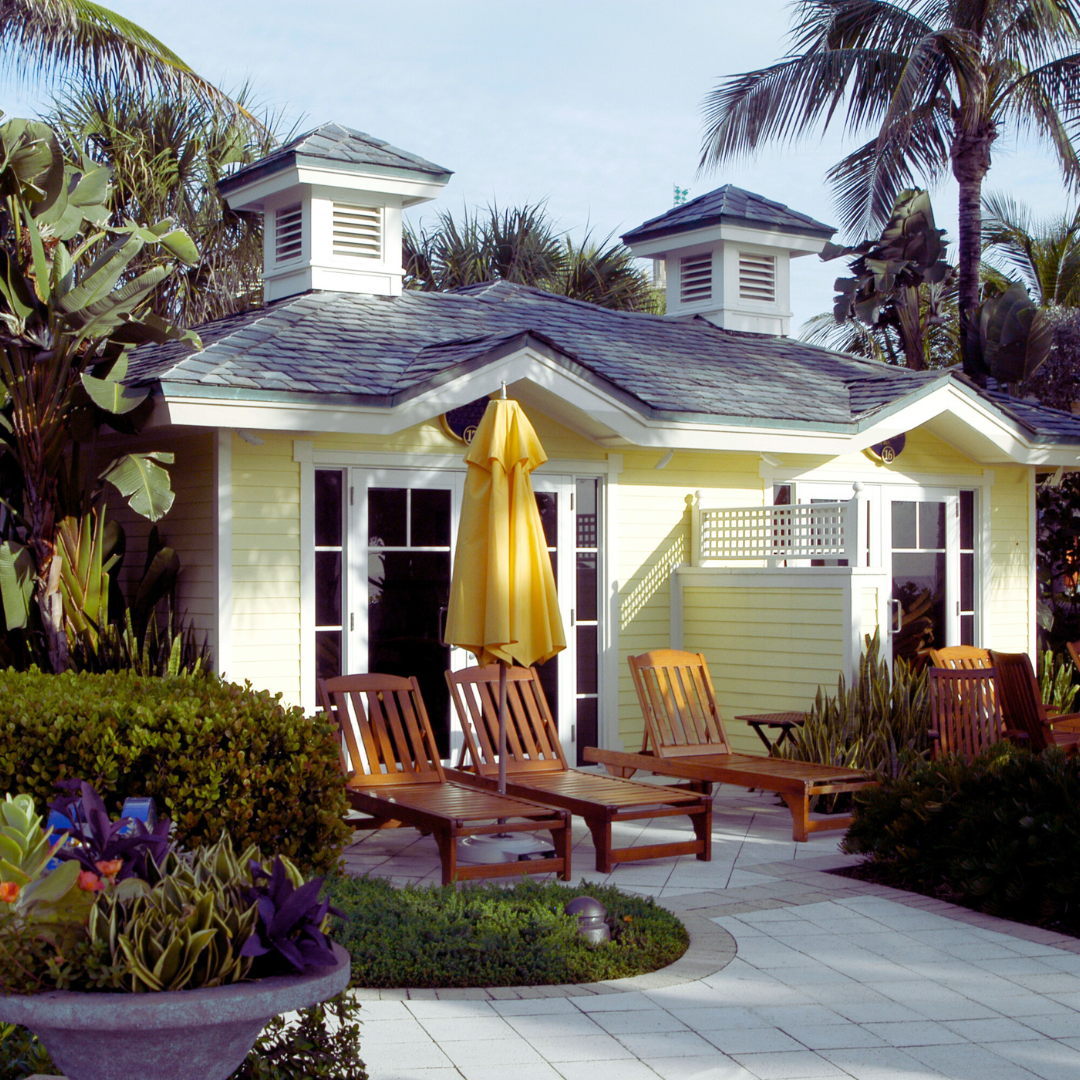
The resurgence of bungalows in the property market has sparked renewed interest among homebuyers. Many are drawn to their practical layout and the ease of single-storey living. Bungalows are indeed making a comeback, appealing to a diverse range of buyers from young families to retirees.
This increased popularity can be attributed to various factors, including the desire for accessible living and energy-efficient designs. As urban areas become more crowded, bungalows offer a unique alternative to multi-storey homes, providing comfort without compromising on space.
Local markets reflect this trend, with many developers recognising the demand for these homes. The charm of bungalows combined with modern architectural updates makes them an attractive option for those looking for longevity in their property investment.
The Resurgence of Bungalows in the UK
The renewed interest in bungalows within the UK reflects a blend of historical charm and contemporary needs. This resurgence is influenced by shifting demographics, changing preferences in the housing market, and evolving perceptions of what makes an ideal home.
Historic Appeal and Modern Demand
Bungalows have long been associated with ease of living and accessibility. Traditionally, these single-storey homes offer a unique aesthetic, often nestled in quiet neighbourhoods.
Today, many buyers are drawn to their practicality. The absence of stairs appeals to older adults and families with young children. Additionally, bungalows typically feature generous gardens, which are highly sought after as outdoor spaces gain importance amidst urban living.
The combination of historical charm and practicality continues to make these homes attractive options in a competitive housing market.
Trends in the Housing Market
The housing market in the UK has seen fluctuating trends, particularly during the post-pandemic recovery. Demand for bungalows has notably increased as buyers seek properties that cater to lifestyle changes.
Statistics indicate that searches for bungalows have surged approximately 30% in recent years. Many buyers prioritise spacious layouts and gardens, often opting for bungalows over multi-storey homes.
Additionally, with the rising costs of living, buyers are also attracted to bungalows for their potential for expansion. Homeowners may choose to upgrade or remodel rather than relocate, further consolidating the appeal of these homes.
Changing Perceptions and Search Patterns
Perceptions surrounding bungalows are evolving, as they are no longer viewed solely as properties for retirees. Younger buyers are recognising the functionality and potential for modernisation in these homes.
Online search patterns reveal a notable increase in those specifically searching for bungalows. Real estate platforms report a significant rise in listings and queries, indicating strong interest across various age groups.
Open-plan designs and energy-efficient features are becoming more prevalent in bungalow renovations. This shift reflects a broader trend towards sustainable living and modern conveniences, ensuring that bungalows remain relevant in today’s housing market.
Key Factors Driving the Comeback
Several factors are contributing to the renewed interest in bungalows, particularly among older adults and young families. These elements encompass demographic changes, the need for accessible living spaces, and the appeal of modern designs that prioritise energy efficiency.
Demographic Shifts: Older People and Young Families
As populations age, older individuals seek homes that eliminate staircases for ease of mobility. Bungalows provide a single-level living option, catering specifically to their needs.
Young families also appreciate bungalows for their spacious gardens and potential for extension. The appeal of yards for children to play in, coupled with the potential for creating family-friendly spaces, makes bungalows an attractive option for new homeowners.
Both demographics value the ability to age in place or raise children in a safe, accessible environment.
Accessibility and Home Ownership Opportunities
Bungalows offer practical accessibility for those with mobility issues or those who wish to avoid the challenges associated with multi-storey homes. This design often mitigates the risk of falls, making them safer for older occupants.
Additionally, many bungalows are priced competitively within the housing market. This affordability appeals to first-time buyers, particularly in areas with steep housing prices. The blend of accessibility and cost makes bungalows an ideal choice for those entering home ownership.
Young families and older adults alike find bungalows fitting their needs for accessible, comfortable living, without the burden of maintenance found in larger homes.
Energy Efficiency and Modern Architecture
Many bungalows are being designed or adapted with energy-efficient features. Modernised insulation, efficient heating systems, and sustainable materials create homes that can reduce energy bills and environmental impact.
The architectural style of contemporary bungalows often reflects minimalist design principles. This modern aesthetic resonates with buyers seeking stylish yet practical living arrangements.
Additionally, regulations favouring eco-friendly building practices have encouraged the construction of energy-efficient bungalows. These elements make them appealing to buyers focused on sustainability and lower long-term living costs.
In line with these evolving design priorities, modern bungalows are also incorporating features that enhance both functionality and security. And construction contractors are increasingly integrating advanced technologies to complement the overall build.
For instance, they often partner with Gate Hardware specialists to install automated gates, access control systems, and other protective elements that align with the home’s modern design. Together, this combination of efficiency, style, and added security strengthens the appeal of bungalows for today’s buyers.
Challenges and Opportunities for New Bungalow Builds
New bungalow construction faces distinct challenges and opportunities that directly affect home builders, architects, and potential buyers. Understanding the environment in which these homes will be developed is crucial, particularly regarding planning and government initiatives.
Home Builders and Planning Considerations
Home builders encounter various planning considerations when developing bungalows. Local zoning regulations often dictate the types of properties that can be constructed, impacting design flexibility. Builders must navigate these regulations to ensure compliance while meeting community needs.
Architects play a key role in optimising space within bungalow designs. Their expertise is vital in creating functional layouts that appeal to buyers. Furthermore, the demand for sustainable building practices influences design choices, often requiring builders to source eco-friendly materials and implement energy-efficient technologies.
Government Support and the Help to Buy Scheme
Government initiatives, including the Help to Buy scheme, are crucial for encouraging bungalow construction. This programme supports first-time buyers and those looking to downsize, making home ownership more accessible.
Through this scheme, eligible buyers can secure an equity loan, which reduces their financial burden. Home builders can leverage this support to attract a broader audience, especially older couples and retirees wanting single-storey living options. Government backing often boosts buyer confidence in the market, leading to increased demand for bungalows.
Addressing Isolation and Support for Pensioners
Isolation remains a pressing concern for pensioners, especially in rural areas. Bungalows can provide a practical solution by offering easy access to amenities and reducing living complexity.
Developers can design bungalow communities that foster social interaction among elderly residents. By incorporating communal spaces and integrating services such as transportation and healthcare facilities, the sense of community can be enhanced. These strategies not only address isolation but also create opportunities for builders to market bungalows effectively to this demographic.
Overall, the landscape for new bungalow builds is shaped by these challenges and opportunities, influencing both the construction and the living experience.
Bungalows and the Future of the Property Ladder
Bungalows are increasingly recognised as viable options for various demographics within the housing market. Their adaptability and potential for energy efficiency make them appealing for buyers looking to climb the property ladder.
Adapting Bungalows for Modern Lifestyles
Bungalows offer unique advantages for modern living, particularly for families and retirees. The single-storey design provides easy accessibility, catering to people of all ages. Open-plan layouts are popular, allowing flexible use of space that can adapt to changing needs.
Adding modern amenities is crucial. Homeowners can enhance energy efficiency through upgrades such as improved insulation and smart home technology. Solar panels and energy-efficient heating systems not only reduce energy costs but also appeal to environmentally conscious buyers.
As societal preferences shift, bungalows can be redesigned to include outdoor spaces, such as gardens or patios, which enhance living quality. They can also accommodate multi-generational living, with separate entrances or adaptations for independent living.
Opportunities for Sustainable Living
The push for sustainable housing solutions has brought bungalows to the forefront. Their typically smaller footprint can be advantageous in utilising land efficiently. Bungalows can be constructed using eco-friendly materials, thereby reducing their environmental impact.
Energy efficiency is a key consideration for homeowners. Features such as double-glazed windows, insulated roofs, and energy-efficient appliances make bungalows attractive options. These enhancements lead to lower running costs, which appeal to budget-conscious buyers on the property ladder.
Garden spaces allow for the incorporation of sustainable practices, such as composting and rainwater harvesting. This can create a self-sufficient home that further emphasises the benefits of bungalow living in the context of future housing stock.
Outdoor areas in these properties often require low-maintenance solutions to keep them manageable for older homeowners. Gravel is a popular choice for paths and driveways because it drains water well and prevents weeds. Planning these outdoor projects requires some basic calculations to get the right amount of stone. Homeowners can use resources like mygravelbuddy.com to estimate their material needs before they start work. This preparation helps prevent waste and keeps home improvement budgets on track.