



Indoor plants naturally enhance any home design by adding texture, colour, and a sense of life. They break up the monotony of walls and furniture, creating a balanced and inviting space.
Plants improve air quality and introduce an organic element that complements modern and traditional interiors alike. This subtle touch of nature helps soften sharp lines and bulky furniture, making rooms feel more comfortable and harmonious.
Many designers use greenery to draw the eye and create focal points. Whether placed on shelves, floors, or windowsills, indoor plants help tie different design elements together, giving a polished and intentional look.
How Indoor Plants Transform Home Design
Indoor plants bring distinctive character to living spaces through balance, texture, and colour. They contribute to design by offering focal points, organic contours, and seamless integration with various styles.
Creating Focal Points and Visual Interest
Indoor plants serve as natural focal points that draw the eye and anchor a room’s layout. Statement plants like the fiddle leaf fig or rubber plant work well in corners or near seating areas to create a strong presence. Their bold shapes and height add structure without overwhelming the space.
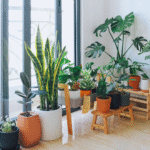
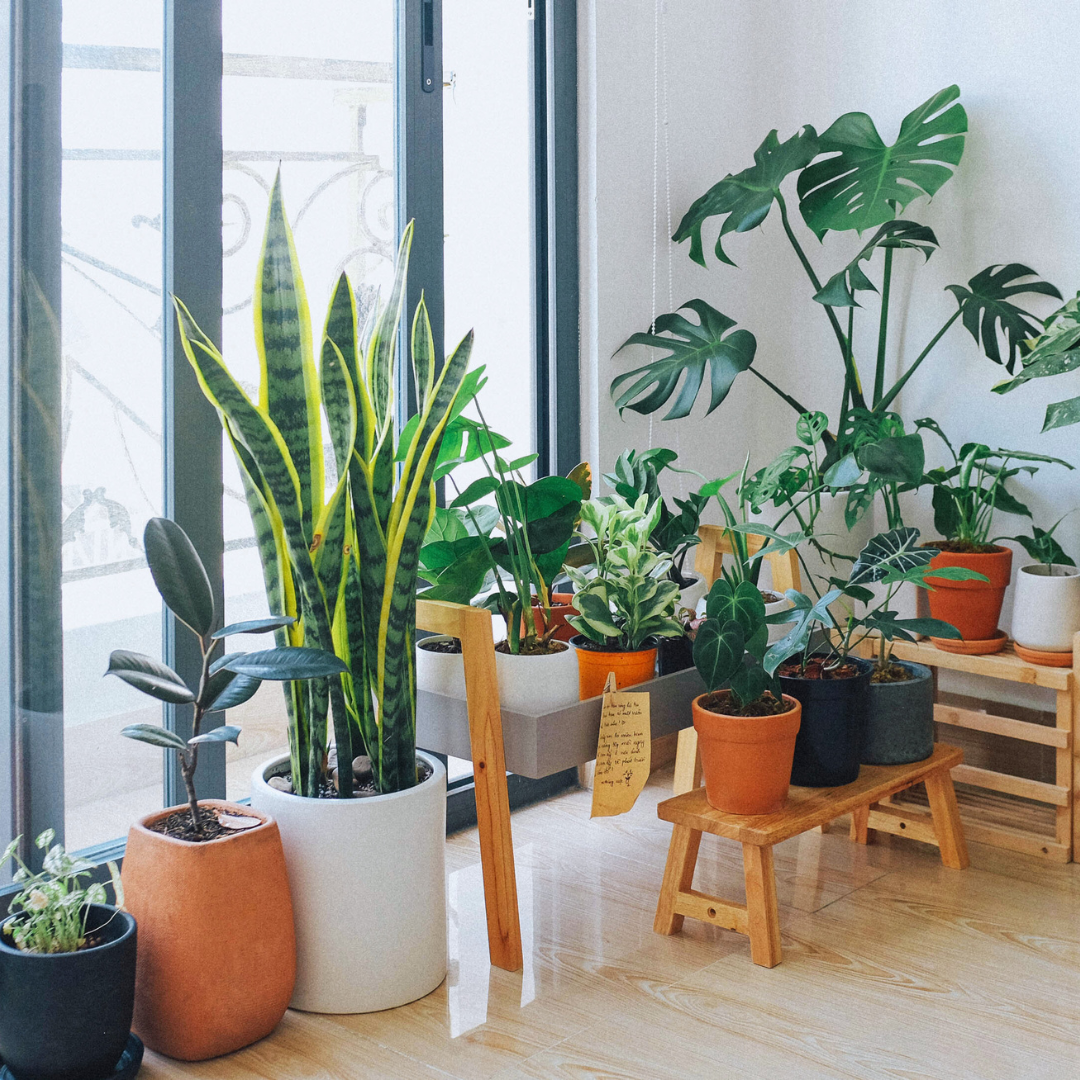
Visual interest increases with varied leaf patterns and shades. A monstera with its split leaves contrasts neatly against minimalist or neutral backdrops, adding depth and movement. Strategic placement of plants around furniture or shelves creates layered views and breaks monotony.
Plants can also complement artwork or architectural features, enhancing the overall coherence of a room’s design.
Adding Organic Shapes and Natural Touch
Plants introduce organic shapes that soften the rigid lines often found in furniture and décor. Curved leaves and irregular forms provide contrast to geometric or angular elements. This natural touch fosters a welcoming atmosphere by connecting indoor environments to the outdoors.
Incorporating a mix of plants with different leaf sizes and textures, such as the broad fiddle leaf fig and the waxy rubber plant, increases tactile variety. These living forms reflect biophilic design principles, which prioritise human affinity for nature and its calming influence.
The tactile and visual experience created by plants encourages interaction and eases psychological comfort within the home.
Blending with Different Design Styles
Indoor plants work with many design styles, from modern to traditional, effortlessly complementing and elevating each. In minimalist spaces, their presence prevents sterility by adding lively greenery while maintaining clean lines.
In rustic or bohemian interiors, plants enhance the natural elements already present, fitting perfectly among wood, stone, and textiles. Stylish pots and planters in metal, ceramic or woven fibres support the chosen style without clashing.
Using plants like the monstera or rubber plant can unify mixed décor elements while maintaining consistency through natural theme and colour. They adapt easily, so homeowners can change schemes without removing greenery.
Health Benefits of Indoor Greenery
Indoor plants contribute significantly to healthier living spaces by enhancing air quality, supporting mental well-being, and increasing focus. These aspects combine to create environments that foster both physical comfort and cognitive function.
Improving Air Quality and Purification
Plants like the peace lily, spider plant, snake plant, aloe vera, and zz plant act as natural air purifiers. They absorb toxins such as formaldehyde, benzene, and carbon monoxide through their leaves and roots. This results in improved air quality in indoor spaces.
By increasing oxygen levels and reducing dust, these plants help maintain a cleaner atmosphere. The snake plant, for example, is known to release oxygen at night, making it ideal for bedrooms. Regular presence of such plants can decrease indoor pollutants, creating a fresher environment.
Promoting Relaxation and Mental Well-being
Having indoor greenery is linked to reduced stress and enhanced relaxation. The presence of plants triggers a calming effect, leading to lower heart rates and decreased anxiety. This can improve mental well-being significantly.
Studies indicate that caring for plants or simply viewing them can foster peace and mindfulness. Their soothing green colour and organic forms help in reducing mental fatigue. This creates a restorative atmosphere where relaxation naturally occurs.
Boosting Productivity and Concentration
Indoor plants contribute to increased productivity and better concentration by enhancing mental clarity. Workspaces with greenery report fewer distractions and improved task focus. This is partly due to their ability to reduce airborne pollutants, which can cause headaches and fatigue.
Plants like the zz plant and spider plant are easy to maintain, making them popular choices for offices. Their presence helps decrease stress hormones, which supports sustained concentration over longer periods. In turn, this environment boosts efficiency and creative thinking.
Selecting and Styling Indoor Plants
Selecting and styling indoor plants requires balancing plant characteristics with home lighting and design. Thoughtful plant placement and container choice enhance visual appeal while supporting plant health. Seasonal adjustments and creative displays keep interiors fresh and engaging.
Choosing the Right Plants for Your Space
Indoor plants must suit the room’s lighting and maintenance availability. For low light, snake plants, zz plants, and peace lilies thrive without direct sunlight. Succulents and cacti require bright spaces, making them ideal near windows.
Low-maintenance plants like pothos, spider plants, and ferns suit busy households by needing minimal care. Air plants offer flexibility as they do not require soil and can be displayed creatively. Understanding each plant’s watering, humidity, and light needs is critical to ensure longevity.
Plant Placement and Layered Lighting
Effective plant placement depends on natural and artificial light. Combining layered lighting—overhead, task, and accent lights—boosts plant health and highlights their texture and colour. For example, spotlighting a fern or peace lily creates focal points in dim areas.
Placing plants at varying heights brings depth; larger plants like snake plants can stand on the floor, while smaller ones suit shelves or tables. Avoid overcrowding to ensure airflow and prevent disease.
Creative Use of Planters and Plant Shelves
Planters influence the design by adding texture, contrast, or colour. Materials like terracotta, ceramic, and metal introduce different styles. Matching the planter scale to the plant size prevents imbalance.
Plant shelves enable vertical gardening, maximising space without clutter. Grouping diverse plants such as ivy, air plants, and succulents showcases variety while maintaining organisation. Terrariums work well for miniature plants and humidity-loving species, adding a modern touch.
Adapting Plant Displays for the Seasons
Changing plant displays seasonally refreshes interiors and supports plant health. In winter, groupings move closer to light sources, and humidity-loving plants like ferns benefit from misting. Summer allows more light exposure for sun-loving succulents and air plants.
Planters can be swapped seasonally with different textures or colours to reflect the time of year. Rotating plants helps prevent uneven growth and keeps the space vibrant while matching seasonal decor trends.
Popular Indoor Plant Varieties to Elevate Design
Certain indoor plants stand out for their shape, texture, and size, making them perfect for creating visual interest. Others are chosen for ease of care or their ability to drape elegantly in a room. Each type plays a distinctive role in styling different spaces effectively.
Statement Plants for Maximum Impact
Statement plants are bold and eye-catching, often used as focal points. The fiddle-leaf fig is a prime example, with its large, glossy leaves creating a dramatic presence in living rooms. Similarly, the monstera’s uniquely perforated leaves add texture and architectural interest without overwhelming a space.
Rubber plants offer glossy, deep green foliage, making them ideal for corners needing height and colour. Peace lilies stand out for both their lush leaves and striking white blooms, adding an elegant touch to modern interiors. These plants often require bright, indirect light to maintain their vibrant appearance.
Easy-care Options for Any Home
For busy or novice plant owners, low-maintenance varieties such as snake plants and zz plants are preferred. Snake plants tolerate low light and infrequent watering, making them very adaptable. ZZ plants thrive in various lighting conditions and recover quickly from neglect.
Succulents like aloe and aloe vera require minimal water and add a clean, sculptural look. Peace lilies and pothos are also resilient; pothos adapts well to low-light areas and can grow vigorously with little attention. These plants suit kitchens, offices, and bathrooms where conditions can change frequently.
Trailing and Hanging Plant Selections
Trailing plants add softness and movement by cascading down shelves or hanging baskets. Spider plants are popular for their arching leaves and ease of propagation, lending a fresh, green flow to any space. Pothos is another favourite, with variegated leaves that trail elegantly and brighten shelves or window sills.
Ivy is valued for its classic climbing and draping habit, great for creating contrast against plain walls. These plants often prefer bright, indirect light and benefit from occasional trimming to keep their shape tidy. Hanging planters with trailing selections can maximise vertical space in smaller rooms.