


Staging a home effectively can significantly reduce the time it spends on the market. By creating a welcoming and neutral space, sellers help buyers imagine themselves living there. The key to quicker selling is to highlight the home’s best features while keeping rooms tidy, decluttered, and well-lit.
Simple adjustments like rearranging furniture, adding fresh flowers, and applying a fresh coat of paint can make a noticeable difference. Proper staging focuses on comfort and functionality without overwhelming the space with personal items.
Buyers respond positively to homes that look move-in ready, so investing in staging can often lead to faster offers. Understanding how to stage each room appropriately is essential for appeal and sale success.
Essential Steps for Staging Your Home Quickly
Effective home staging requires targeted actions that make spaces appear larger, cleaner, and more neutral. Removing excess items, maintaining cleanliness, and eliminating personal touches are critical to appeal to a wider range of buyers and help sell your home fast.
Decluttering for a Spacious Look
Decluttering is the first step in staging your home. It involves removing unnecessary furniture and personal belongings to create a sense of space. Buyers should be able to visualise how rooms could be used, so keeping surfaces clear and floors open is essential.
Focus on storing away bulky items like extra chairs, toys, and excess kitchen gadgets. Clearing kitchen counters and bathroom shelves gives a clean, organised impression. Use boxes or baskets to contain existing items neatly if immediate removal is not possible.
Prioritise high-traffic areas such as the living room, kitchen, and entrance. This strategy helps improve flow and makes the home feel more welcoming. A decluttered space ultimately looks larger and more inviting to potential buyers.
Deep Cleaning Every Room
A thorough deep clean is vital for showcasing a well-maintained home. This goes beyond regular tidying and includes washing walls, windows, and floors to remove dust and stains that deter buyers.
Pay special attention to kitchens and bathrooms, where cleanliness indicates good upkeep. Scrub tiles, clean appliances, disinfect surfaces, and polish taps to give these rooms a fresh, well-cared-for appearance.
Don’t forget less obvious areas like baseboards, light fixtures, and vents. Clean carpets or floors thoroughly and consider steam cleaning rugs or upholstery to eliminate odours and stains. A spotless home leaves a strong positive impression.
Depersonalising Living Spaces
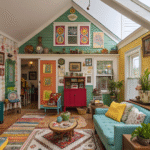
Depersonalising means removing items that reflect the current owners’ tastes, making it easier for buyers to imagine the home as their own. Family photos, personalised décor, and bold art should be packed away.
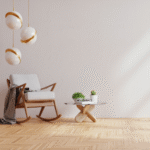
Neutral colours and simple furnishings help create a blank canvas. Replace quirky cushions or curtains with plain versions if possible. This allows buyers to focus on the space without distractions.
Removing personal items also helps highlight the home rather than the inhabitants. This step is key to staging your home effectively and speeding up the selling process.
Enhancing First Impressions: Curb Appeal and Exterior
First impressions matter greatly in home selling. Attention to exterior details can create a welcoming atmosphere and attract potential buyers before they even step inside.
Improving Kerb Appeal
Kerb appeal starts with a well-maintained frontage. Mowing the lawn, trimming hedges, and removing weeds can instantly tidy the space. Freshly painted fences or gates signal care and upkeep.
Lighting plays a key role. Installing solar or low-voltage lights along walkways and driveways adds safety and highlights features during evening viewings. Clean windows and gutters also contribute to a neat appearance.
Real estate agents often advise decluttering driveways and parking areas to provide a sense of spaciousness. Clear sightlines to the house help buyers feel invited and offer a better overall impression.
Refreshing Entryways and Pathways
The front door and entrance set the tone for the entire property. A fresh coat of paint on the door with a popular yet neutral colour can make it stand out without overwhelming. New or polished hardware, such as handles and knockers, improves the look instantly.
Paths should be clean, free of cracks, and easy to navigate. Power washing surfaces removes dirt and stains. Adding a doormat that is simple and neat adds a small but effective detail.
Proper framing, like outdoor rugs or lanterns, can add warmth. Entryways that feel safe and well cared for tend to be more appealing in photos and viewings.
Adding Floral and Green Touches
Strategic use of plants softens hard edges and enhances curb appeal. Potted plants by the door or along pathways provide colour and life. Fresh flowers are especially effective for creating an inviting vibe.
Garden beds should be weed-free and mulched. Select plants that look good year-round or match the season to maintain a consistent appeal. Low-maintenance species are preferable to avoid a neglected look.
Real estate agents recommend avoiding overly large or unmanageable gardens as they may imply additional effort for buyers. The right floral and green touches boost interest without overwhelming the space.
Interior Styling for a Market-Ready Home
Proper lighting, thoughtful furniture layout, and clear room definitions all contribute to a home appealing quickly to buyers. Each element creates a balanced environment that highlights the space’s potential without overwhelming visitors.
Maximising Natural Light
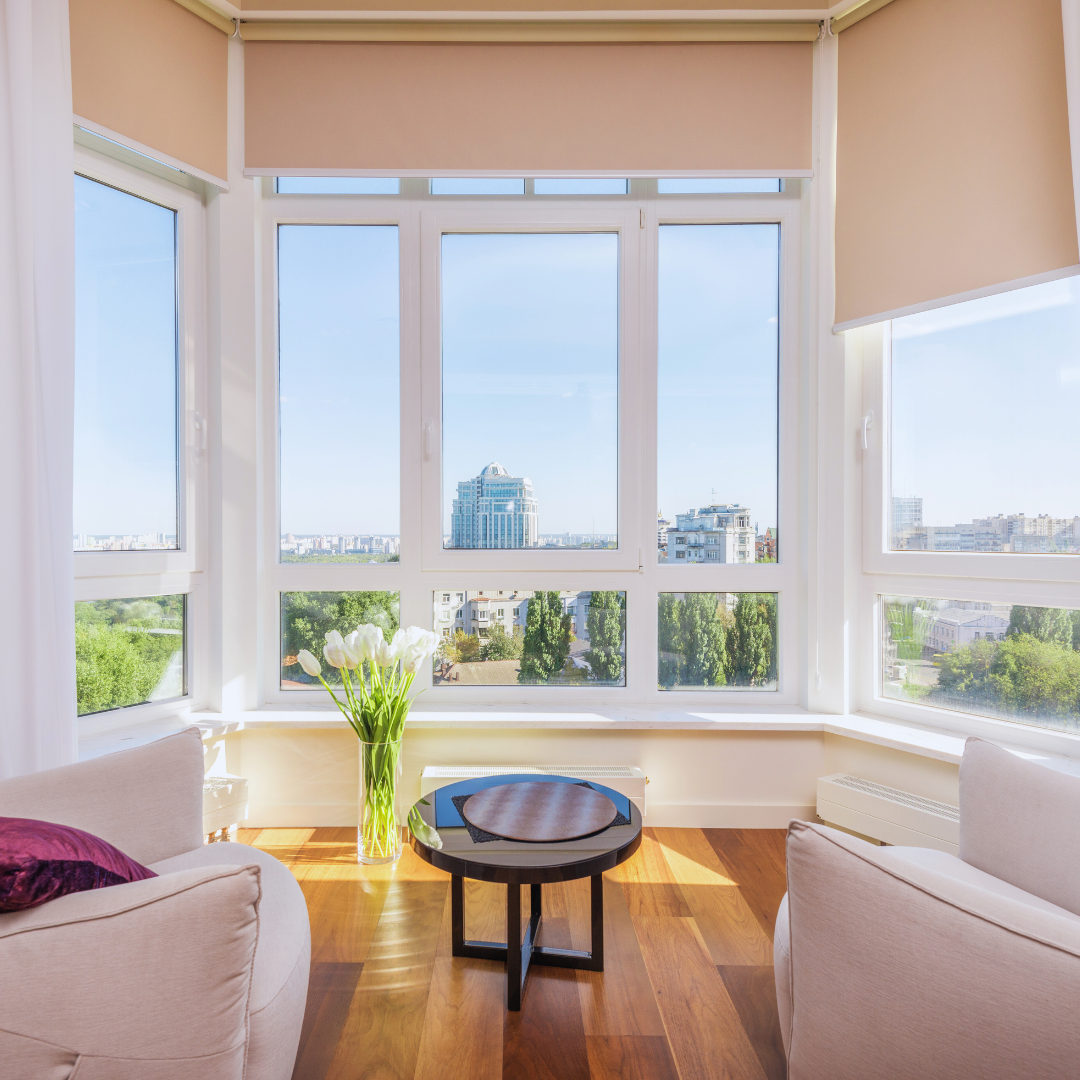
Natural light boosts a room’s brightness and creates a welcoming atmosphere. Curtains should be light in colour and easily pulled back to let in as much daylight as possible.
Windows need to be clean and free from obstructions like bulky furniture or heavy drapes. Sheer blinds can soften direct sunlight without darkening the room.
Positioning mirrors opposite windows reflects light deeper into the space, enhancing brightness. Rooms with limited natural light should avoid dark paint colours that absorb rather than reflect sunlight.
Effective Use of Artificial Lighting
Artificial lighting should complement natural light and ensure consistent brightness in all areas. Use multiple light sources at varying heights for even illumination.
Warm LEDs or halogen bulbs suit living areas, creating an inviting feel. Kitchen and study spaces benefit from brighter, cooler lights for clarity.
Highlight key features such as artworks or architectural details with spotlights or wall washers. Avoid harsh overhead fixtures that cast unflattering shadows.
Optimising Furniture Placement
Furniture should be arranged to maximise flow and demonstrate each room’s function. Avoid overcrowding as it reduces perceived space and can distract buyers.
Place larger pieces against walls to open central pathways. Use smaller chairs or benches where extra seating is needed without blocking movement.
Ensure key features, like fireplaces or large windows, are visible and not obstructed. Minimalist arrangements help buyers visualise their own belongings in the space.
Defining Each Room’s Purpose
Clearly defined room functions help potential buyers understand how to use the space effectively. Staging should focus on one clear purpose per room.
For example, an awkward spare room can be staged as a home office or reading nook rather than left empty. Child-friendly rooms should be neutral and clutter-free.
Use appropriate accessories that support the room’s function, such as desks and shelves for offices, or dining tables and chairs in dining areas. This clarity assists buyers in picturing their daily lives at home.
Final Touches to Attract Buyers
Small details can significantly influence a buyer’s impression during home viewings. These finishing elements ensure the property feels cared for, appealing, and ready to move into.
Accessorising With Decorative Accents
Careful placement of decorative accents adds personality without clutter. Neutral-coloured cushions, tasteful vases, or houseplants can enhance living spaces by creating focal points that suggest comfort and style.
It is important to avoid overly personalised items such as family photos or bold artwork. Instead, use items that appeal to a broad range of tastes. Rugs that complement flooring and subtle wall art can unify rooms visually.
Accessories should highlight key features, like placing a mirror to increase light or a bowl of fresh fruit in the kitchen to evoke warmth. Real estate agents often recommend keeping arrangements simple and well-coordinated.
Maintaining a Welcoming Atmosphere
A clean, clutter-free environment feels inviting and spacious. Schedules for regular tidying during the selling process help maintain this state.
Lighting plays a vital role; plenty of natural light combined with well-positioned lamps creates a bright, uplifting space. Neutral scents, like fresh linen or mild citrus, can enhance the welcoming feel without overwhelming visitors.
Temperature control is another factor. The home should be comfortably warm or cool, depending on the season, ensuring buyers stay longer and engage positively during viewings.