





Preparing a home for valuation involves highlighting its best features and ensuring it is presented in the most attractive and well-maintained condition. This process can influence the final valuation significantly. The key is to focus on cleanliness, repairs, and simple enhancements that boost perceived value without major renovations.
Valuers look at condition, presentation, and comparable properties in the area. A neat, decluttered space with fresh paint and minor repairs can create a positive impression. Attention to details such as lighting and tidiness in outdoor areas also matters.
Understanding what valuers prioritise helps homeowners make practical improvements. This approach saves time and money while maximising the home’s appeal and value.
Key Factors in Home Valuation
Property valuation hinges on multiple crucial elements that affect the final estimated value. It depends on both physical features and market dynamics, which influence how valuers and estate agents assess a property’s worth.
What Valuers and Estate Agents Assess
Valuers and estate agents examine the property’s size, condition, and layout carefully. Square footage, number of bedrooms and bathrooms, and functional living spaces carry significant weight. They also check for structural issues, modern fittings, and the overall maintenance level.
Recent renovations can increase value, especially in kitchens and bathrooms. Energy efficiency ratings and the presence of desirable features like double glazing or central heating are noted. Accurate documentation of these aspects speeds up the house valuation process and may improve the outcome.
Impact of Location and Market Conditions
Location strongly affects property valuation. Proximity to amenities such as schools, transport links, and shops directly increases desirability. Neighbourhood safety and future development plans in the area also influence value.
Market conditions play a critical role. In a seller’s market, demand exceeds supply, raising prices. In contrast, a buyer’s market leads to lower valuations due to surplus stock. Valuers must incorporate recent sales data of similar properties in the vicinity, adjusting for any external factors.
The Role of Curb Appeal
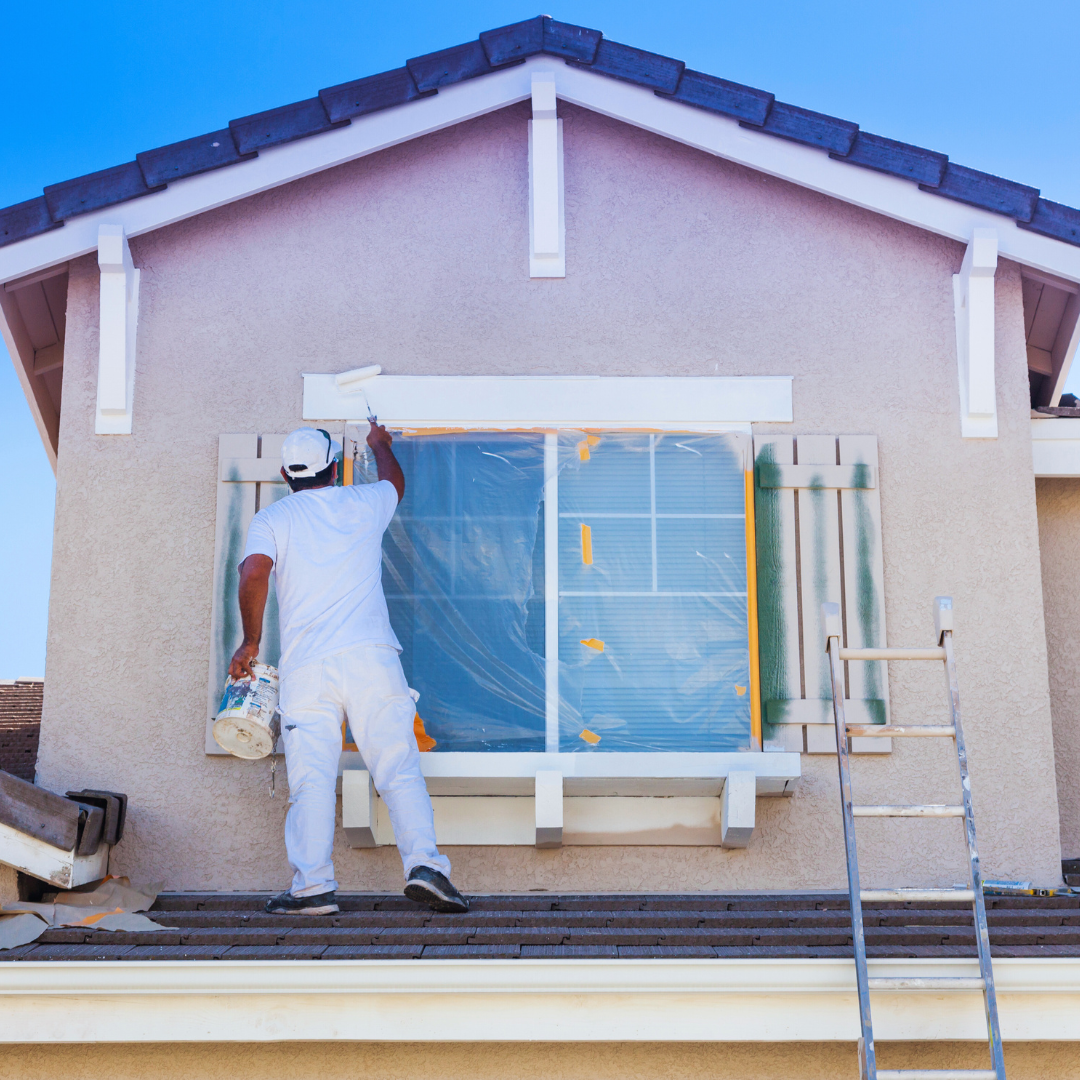
Curb appeal, or kerb appeal, refers to how attractive a home looks from the street. This first impression impacts valuers’ and estate agents’ perception. A well-maintained front garden, clean driveway, and fresh exterior paint improve house valuation chances.
Simple improvements like tidying lawns, trimming hedges, and fixing broken fences help. Kerb appeal can also influence refinancing outcomes, as lenders consider visual condition when assessing risk. It signals the level of care taken, which often reflects the internal condition of the home.
Essential Preparation Steps
Preparing a home for valuation requires specific actions to present the property in its best condition. This includes enhancing space perception, maximising light, and ensuring all visible faults are addressed.
Decluttering and Cleaning
He should remove personal items and excess furniture to create an open, spacious feel. Decluttering allows the valuer or estate agent to better assess the size and potential of each room.
All surfaces must be spotless, including floors, windows, and countertops. A thorough clean improves the overall impression and suggests the home has been well-maintained. This can positively influence the valuer’s opinion.
He should store away anything that distracts from the home’s features, such as children’s toys or piles of paperwork. The aim is to allow the valuer to focus on the property, not the occupant’s belongings.
Lighting and Natural Light Optimisation
He should maximise natural light by opening curtains and blinds fully during the valuation. Natural light makes rooms look larger and more welcoming.
Artificial lighting must be sufficient and strategically placed. Using bright, white bulbs in key areas like hallways, kitchens, and bathrooms improves visibility and highlights positive features.
Clearing windows from outside obstructions like overgrown plants can increase light entry. Well-lit spaces help the valuer visualise the home’s potential, which can impact the perceived value positively.
Addressing Minor Repairs
One should prioritise fixing issues like dripping taps, cracked tiles, and peeling paint before the valuation. Small repairs suggest to the valuer that the home is well cared for and reduces concerns about maintenance.
Doors and windows should open and close smoothly, with no noticeable damage. This is often checked by estate agents and valuers as part of their inspection.
Any signs of wear on skirting boards or light switches should be remedied. These details create an impression of attention to upkeep that can support a stronger valuation.
Maximising Value Through Presentation and Improvements
Preparing a home to achieve the best valuation involves targeted efforts in energy efficiency, aesthetic appeal, and properly showcasing permitted enhancements. These elements are essential to make the property more attractive to valuers and potential buyers.
Enhancing Energy Efficiency and EPC Rating
Improving a home’s energy efficiency can raise its Energy Performance Certificate (EPC) rating, which is increasingly important in valuations. Installing double-glazed windows, upgrading insulation in loft conversions, and fitting modern, energy-saving boilers are effective steps.
Simple fixes like sealing drafts and using energy-efficient lighting also contribute. A better EPC rating demonstrates lower running costs, which positively influences the home valuation. The EPC report should be up to date before the valuation to reflect these improvements.
Cosmetic Upgrades and Staging
Cosmetic enhancements have a significant impact on perception. Freshly painted neutral walls, clean carpets or polished floors, and tidy gardens provide a well-maintained appearance.
Staging rooms with appropriate furniture highlights space and flow. Lighting is key—using LED bulbs to brighten rooms can make spaces appear larger and more inviting. Fixing minor issues such as dripping taps or squeaky doors signals that the property has been cared for.
Highlighting Extensions and Permissions
Extensions like loft conversions or rear additions add real value, but only if properly documented through planning permission. Clearly presenting approved changes assures valuers that the space is legal and safe.
Including relevant paperwork in the valuation process avoids doubts. Highlighting functional benefits, such as additional bedrooms or extra living areas, helps emphasise the added utility of the property to the valuer.
Documentation and Working with Professionals
Proper documentation and collaboration with experts can significantly influence a home’s valuation. Accurate papers ensure transparency, while professionals provide expert insights and help identify any value-enhancing factors.
Preparing Essential Documents
Homeowners should gather all relevant documents before the valuation. Key paperwork includes title deeds, recent utility bills, and proof of any home improvements, such as extensions or renovations.
Planning permission certificates are critical to verify any authorised structural changes. Without these, potential value increases may be discounted.
Additional documents like energy performance certificates (EPCs) and floor plans help valuers understand the home’s condition and layout. Having these ready streamlines the process and avoids delays.
Engaging with Estate Agents and Valuers
Consulting an experienced estate agent or valuer offers valuable market knowledge tailored to the property. Many estate agents provide a free valuation, giving a preliminary price estimate based on current market trends.
A professional valuer carries out a formal assessment considering location, condition, and comparable sales. Clear communication about the home’s special features, verified by documents, helps them set an accurate value.
Homeowners should be honest about any defects or issues; this builds trust and avoids surprises during the valuation report. Choosing licensed or accredited valuers ensures reliable results.