
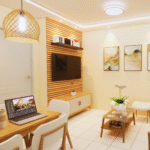
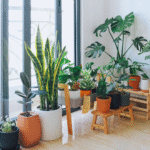



Moving into a new home is an exciting opportunity to create a space that reflects personal style and comfort. To personalise a newly bought house effectively, one should focus on combining practical changes like updating décor and furniture with small touches that bring character, such as artwork or plants. These choices make the home feel truly lived-in and welcoming.
Understanding the layout and natural flow of the new home helps prioritise which areas need attention first. Simple adjustments like repainting walls to preferred colours or tailoring storage solutions can significantly improve functionality. Personalisation is about balancing aesthetics with everyday needs to ensure the space works well for its occupants.
Planning Your Personalisation Strategy
A successful personalisation strategy blends style with practical needs, clarifies which areas need focus first, and controls spending effectively. This approach makes a new home comfortable and uniquely theirs while avoiding unnecessary costs.
Aligning Style with Functionality
The key to personalising a new home is balancing aesthetic choices with everyday practicality. They should select decor and finishes that reflect personal taste but also support their lifestyle. For example, durable flooring like laminate or tiles suits busy households and requires low maintenance.
Choosing furniture that fits the room size and purpose is critical. Oversized pieces may look good, but restrict movement. Integrating smart storage solutions helps keep spaces tidy and functional.
Colour schemes should consider lighting and room use. Calm tones in bedrooms promote relaxation, while colourful accents in living areas energise the atmosphere. Everything selected must serve a dual role: enhance style and ease daily routines.
Setting Priorities for Each Space
Identifying which rooms demand immediate attention ensures resources are focused wisely. Essential areas like the kitchen and bathroom often need personalisation first because of frequent use. Upgrading fixtures or adding customised storage here boosts comfort and efficiency.
Living spaces should reflect personal style but remain adaptable for entertaining or relaxation. Bedrooms may prioritise comfort features such as blackout curtains or adjustable lighting for better sleep.
They should list each space’s needs and rank them by function and frequency of use. This can be tracked in a simple table:
| Room | Priority Level | Key Personalisation Focus |
| Kitchen | High | Storage, durable surfaces |
| Bathroom | High | Fixtures, moisture-resistant |
| Living Room | Medium | Furniture, lighting |
| Bedroom | Medium | Comfort, window treatments |
| Hallway | Low | Organisers, low maintenance |
Budgeting for Personal Touches
Budget control is essential when personalising a new home to avoid overspending. They should allocate funds for major changes first, such as kitchen fittings or built-in wardrobes. The remaining budget can focus on decorative elements like artwork or cushions.
It helps to divide finances into categories: structural changes, furniture, décor, and unexpected expenses. Tracking all costs through simple spreadsheets improves accuracy.
Choosing cost-effective upgrades, such as peeling walls instead of repainting, or using second-hand furniture for some pieces, can stretch the budget without compromising style. Low-maintenance materials might have a higher initial cost but save money over time on repairs or replacements.
Transforming Walls and Floors
Personalising walls and floors sets the tone for a new home’s character. Key choices include colour schemes, textured finishes, and soft furnishings that add comfort and style.
Choosing Paint Colours and Accent Walls
Selecting paint colours depends on natural light, room size, and intended mood. Lighter tones such as pale greys or creams create a spacious, calming effect, ideal for living areas and bedrooms in a new build home.
Accent walls focus attention and add contrast. Common colours include deep blues, forest greens, or rich terracotta. Position an accent wall behind a bed or fireplace for a balanced look.
Preparation is essential: surfaces should be clean and smooth. Using high-quality, washable paint improves durability, especially in high-traffic areas like hallways and kitchens.
Incorporating Wallpaper Designs
Wallpaper adds texture and pattern unmatched by paint. It works well on feature walls, staircases, or smaller spaces like powder rooms.
Popular designs include geometric patterns, botanical prints, and subtle textures. When selecting wallpaper, consider scale—large patterns can overwhelm small rooms, while small prints suit compact spaces better.
Vinyl or washable wallpapers offer practical benefits for busy households. Installation requires careful surface preparation and precise alignment to avoid seams disrupting the design.
Selecting and Placing Rugs
Rugs provide warmth and define zones within open-plan spaces common in new builds. Material choice varies from wool for comfort and durability to synthetic fibres for ease of cleaning.
Size matters: a rug should fit furniture groupings, with enough extension beyond chairs or sofas. For example, in a living room, the rug should extend at least 30cm beyond the front legs of the seating.
Placement also affects flow; rugs can soften hard floors and introduce colour or pattern. Layering smaller rugs can create a dynamic look, especially on wooden or tiled floors.
Interior Design and Finishing Touches
A newly bought house becomes a true home when interior elements reflect the owner’s tastes and daily needs. Thoughtful choices in decor, lighting, window dressing, and storage can enhance both aesthetics and functionality.
Curating Artwork and Personal Collections
Artwork adds character and can define the style of each room. It is important to select pieces that resonate personally, whether they are paintings, photographs, or sculptures. Grouping artworks by theme or colour creates cohesion.
Displaying personal collections, such as antiques or travel souvenirs, adds a unique charm. Using well-lit shelves or dedicated wall spaces ensures these items do not get lost in the background. Balance is key to preventing clutter while showcasing meaningful objects.
Custom Lighting Solutions
Lighting shapes the atmosphere and usability of rooms. Layered lighting with ambient, task, and accent options allows flexibility. For example, pendant lights over dining areas, adjustable desk lamps, and spotlighting on artwork improve comfort and highlight features.
Consider warm LED bulbs for a cosy feel and dimmer switches to adapt brightness. Smart lighting systems offer convenience by controlling multiple lights from mobile devices, enhancing both style and efficiency.
Window Treatments for Style and Privacy
Window treatments influence natural light, privacy, and insulation. Curtains in heavy fabrics provide warmth and sound absorption, while sheer panels soften daylight. Blinds offer precise light control and a cleaner aesthetic.
Choose colours and textures complementary to the wall and furniture tones to unify the room’s look. Layering blinds under curtains allows versatility in adjusting light and privacy throughout the day.
Integrated Storage and Wardrobes
Custom storage solutions maximise space and reduce visual clutter. Built-in wardrobes tailored to the room’s layout improve organisation and create a streamlined appearance. Including features like adjustable shelving, hanging rails, and drawers enhances usability.
Integrated storage units in kitchens, living rooms, or bedrooms maintain a consistent design language. This approach helps maintain clear surfaces, making rooms appear larger and more inviting.
Enhancing Liveability and Comfort
Creating a comfortable home involves thoughtful choices about furniture, natural elements, and upkeep. Each element plays a role in making a house feel personal and easy to live in daily.
Furniture Selection and Arrangement
Choosing furniture is crucial to personalise your home and improve livability. Opt for pieces that fit the size and style of each room to avoid overcrowding. Multifunctional furniture, like storage ottomans or fold-away tables, can save space and reduce clutter.
Arrange seating to foster conversation, ideally placing chairs or sofas facing each other. Leave clear pathways to maintain ease of movement. Use rugs or cushions with personal touches such as favourite colours or patterns to add warmth.
Prioritise comfort and durability in furniture, especially for high-use areas. Materials like leather or tightly woven fabrics tend to be low-maintenance and long-lasting.
Adding Plants and Natural Elements
Incorporating plants enhances air quality and adds a natural aesthetic. Choose easy-care plants such as snake plants, pothos, or succulents, which require minimal watering and attention, supporting a low-maintenance lifestyle.
Place plants near natural light sources like windows to ensure healthy growth. Use a variety of plant sizes and types to create visual interest and a personalised feel.
Natural elements can extend beyond plants; wood finishes, stone accents, or water features add texture and tranquillity. These features make the home inviting without demanding intensive care.
Maintaining a Low-Maintenance Home
Low-maintenance design focuses on reducing the time and effort needed to keep the home tidy and functional. Select materials like laminate flooring or quartz countertops that resist stains and wear.
Minimise decorative clutter to simplify cleaning routines. Personal touches such as framed photographs or a few meaningful ornaments, keep a space personal without overwhelming it.
Implement smart storage solutions to keep surfaces clear and items organised. This approach supports a comfortable living environment that is easier to maintain and more enjoyable daily.