


Remote work has sparked significant changes in how people design their homes. As more individuals work from home, priorities have shifted towards creating functional, comfortable workspaces within residential environments. The need for dedicated, well-equipped home offices is now a key driver in modern home design choices.
In addition to workspaces, homeowners are rethinking layouts to balance professional and personal life. Features like soundproof rooms, improved lighting, and ergonomic furniture have become important. These changes reflect a broader shift towards homes that support productivity and wellbeing simultaneously.
The Influence of Remote Work on Home Design Priorities
Remote work has shifted the focus of home design towards functionality, technology, and adaptable spaces. Many home buyers and renters prioritise features that support productivity and comfort, influencing layout and infrastructure decisions.
Demand for Dedicated Home Office Spaces
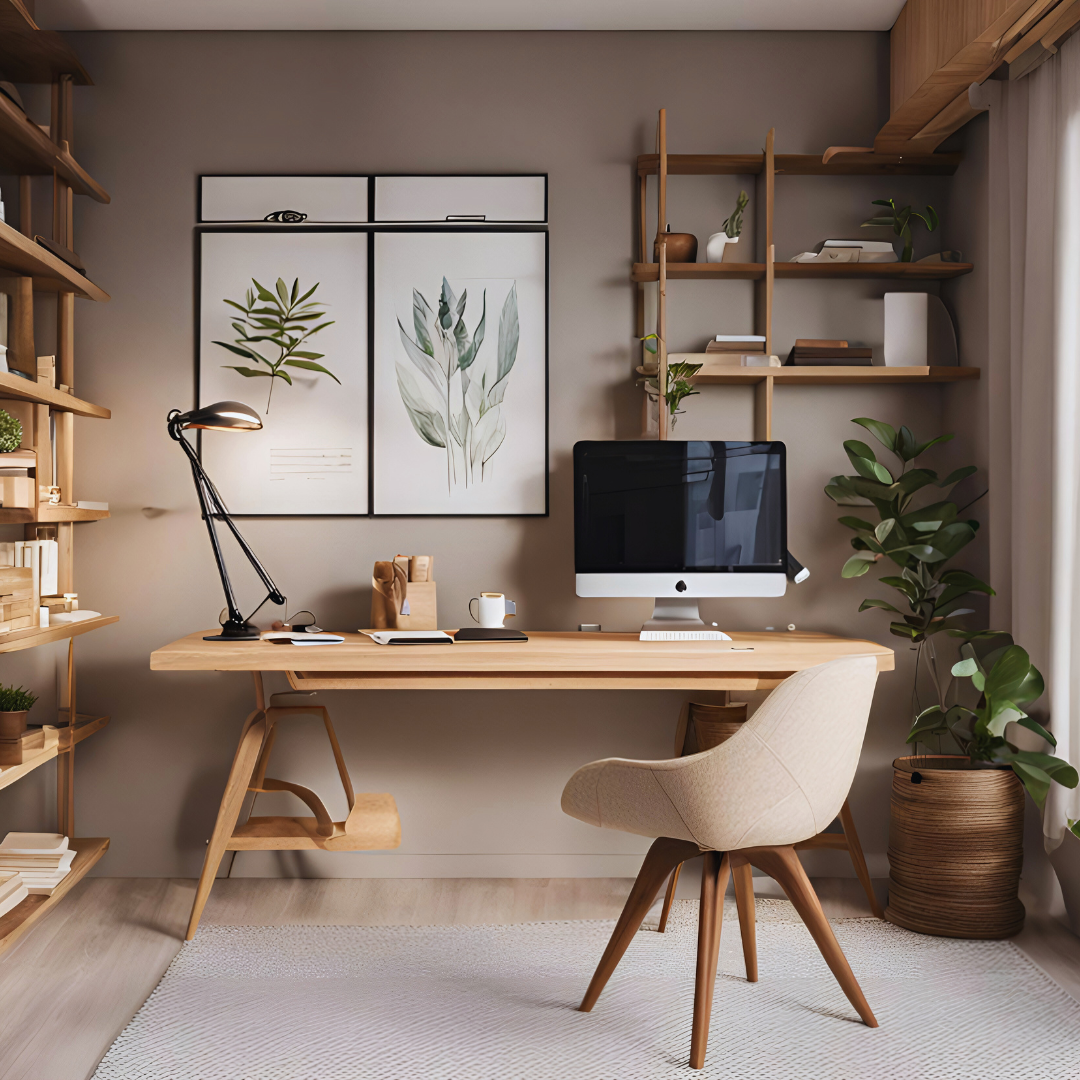
Remote workers increasingly require dedicated home office areas that separate work from personal life. This shift has led to a rise in demand for quieter rooms or converted spaces with soundproofing and ergonomic furniture.
Designers and builders now include built-in desks, shelving, and task lighting to optimise these workspaces. Single-family homes with extra rooms or flexible spaces command higher interest as they allow for home office setups without sacrificing living areas.
A dedicated office not only supports concentration but also helps maintain mental boundaries between work and leisure.
Preference for Larger and Flexible Living Areas
Larger homes accommodate the need for multiple functional zones within a single dwelling. Remote workers often seek open-plan designs with flexible rooms that can serve as offices, meeting spaces, or relaxation areas.
Flexible layouts enable residents to adapt living rooms or spare bedrooms for work during the day, then revert them for family use. This adaptability is especially valued in single-family homes, which offer more space compared to apartments.
Features like movable partitions or multifunctional furniture have become popular to enhance versatility in living areas.
Importance of High-Speed Internet
High-speed internet is a non-negotiable element for remote work, impacting both home choice and renovation priorities. Reliable, fast connections support video calls, cloud computing, and seamless collaboration.
Many remote workers evaluate homes based on broadband availability and quality. Provision for wired Ethernet connections and strong Wi-Fi coverage in all rooms, including home offices, is increasingly standard.
Upgrading infrastructure to fibre-optic service or advanced routers is often necessary to meet the demands of a digital workspace.
Evolving Location Preferences for Homebuyers
Remote work has altered where buyers prefer to live, impacting the demand for rural, suburban, and urban properties. This shift has had direct effects on commute patterns, property values, and how people prioritise space and amenities.
Migration to Rural Areas and Suburbs
More homebuyers are moving to rural areas and suburbs due to the flexibility remote work offers. These locations provide larger homes with dedicated office spaces and outdoor areas, which are prized for work-life balance.
Increased demand for suburban and rural properties has led to noticeable growth in local real estate markets. Buyers value reduced commute times, which in many cases are eliminated entirely, and prioritise quiet environments over proximity to city centres.
Homeowners in these areas often experience less congestion and lower living costs. However, infrastructure and broadband connectivity remain critical factors influencing decisions to relocate outside urban hubs.
Reevaluation of Urban Living
Urban living is being reassessed by many buyers who once prioritised proximity to offices and urban amenities. The necessity of daily commutes has diminished, leading some to question the premium placed on city-centre properties.
Despite this, cities still attract buyers valuing cultural access, public transport, and social opportunities. However, the emphasis is shifting towards properties offering flexible layouts that can accommodate home working.
Developers in urban markets are increasingly incorporating features like soundproof rooms and communal workspaces within residential buildings to adapt to evolving preferences amid steady but tempered demand.
Impact on Property Values
Changes in buyer preferences have influenced property values across regions. Suburban and rural areas are experiencing price increases due to rising demand, especially where quality internet and services are available.
Conversely, some urban centres have seen slower price growth or slight declines, particularly in locations with limited amenities or where office use has decreased significantly.
Property value trends:
| Area Type | Demand Trend | Value Impact |
| Rural | Increasing | Rising |
| Suburban | Increasing | Rising |
| Urban | Variable, selective | Stable or moderate decline |
Real estate markets continue to adjust to these shifts, with buyers weighing access to remote work infrastructure alongside traditional location benefits.
Key Design Trends for Remote Work-Ready Homes
Remote work has led to clear changes in how homes are designed, with a strong focus on comfort, productivity, and well-being. These changes involve better lighting, seamless indoor-outdoor connections, and advanced technology in the home-buying journey.
Enhanced Use of Natural Light
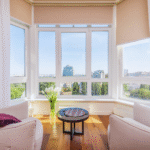
Natural light has become a priority for remote workers aiming to reduce eye strain and boost mood. Homes designed with larger windows, skylights, and open-plan layouts allow daylight to flow through workspaces effectively.
Positioning desks near windows and using light-reflective colours also maximise daylight exposure. This focus on natural light supports both productivity and mental health during long working hours spent indoors.
Integration of Outdoor Spaces
Access to outdoor space is increasingly important in remote work homes. Gardens, patios, and balconies are designed as extensions of indoor work areas, providing fresh air and a change of scenery.
Features like outdoor seating, Wi-Fi coverage, and shading solutions turn these spaces into practical work zones. Outdoor spaces offer a break from screen time and encourage movement, helping to balance work and relaxation.
Technological Innovations in Home Buying
Technology is transforming the home-buying process, especially for buyers seeking remote work-friendly properties. Virtual tours and 3D walkthroughs allow buyers to assess potential workspaces without physical visits.
Smart home features that improve connectivity and energy efficiency are often highlighted in listings. Integration of technology streamlines decision-making and ensures that remote work needs are met before purchase.
Impact on the Real Estate Industry and Buying Behaviour
Changes in home design driven by remote work have directly influenced how people buy property and how real estate professionals operate. Housing preferences now centre on space, technology, and flexibility, reshaping transactions and investment decisions.
Role of Estate Agents in a Changing Market
Estate agents are adjusting their services to meet the demands of remote workers seeking homes with dedicated office spaces, strong internet connections, and quieter locations. They increasingly highlight these features during property viewings and marketing campaigns.
Agents also rely more on virtual tours and digital communication to accommodate buyers who may be relocating from different cities or countries. This shift helps real estate agents handle wider geographical markets and varying client priorities efficiently.
Understanding remote workers’ needs allows estate agents to advise clients on properties with flexible layouts and home office potential. This focus supports smoother sales and stronger client satisfaction.
Adaptation of Real Estate Investment Strategies
Real estate investors are prioritising properties that appeal to remote workers, such as suburban homes with larger rooms and access to green spaces. This trend contrasts with previous urban-centred investments focused on proximity to offices.
Investors often seek opportunities in regions with lower living costs yet good internet infrastructure, anticipating higher demand from remote professionals looking for affordable, functional living arrangements.
Some investors diversify portfolios by including properties that can convert easily into co-working spaces or short-term rentals, attracting remote workers. These strategies reflect evolving market patterns influenced by remote work lifestyles.