





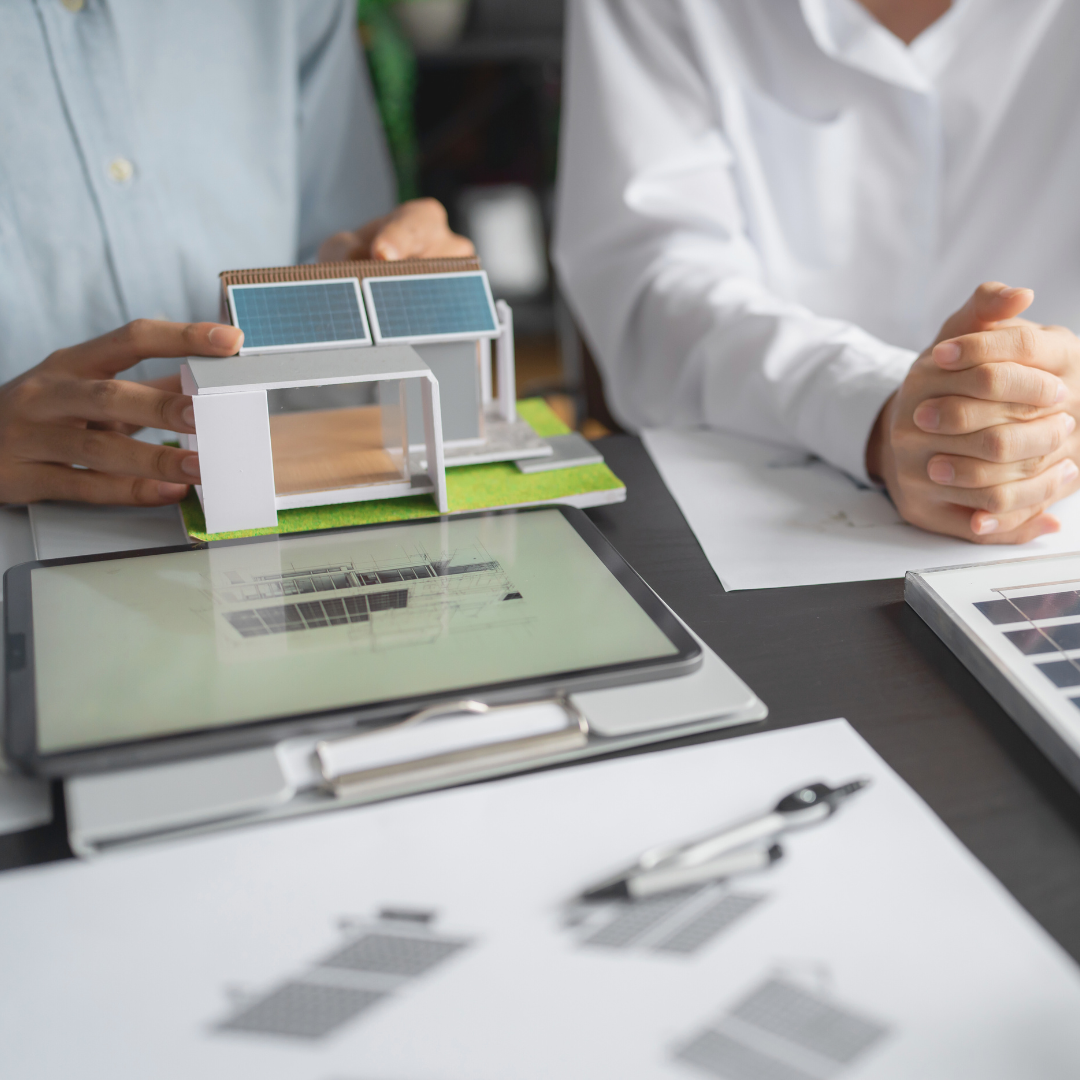
Energy-efficient homes represent a significant shift in how society approaches living spaces and sustainability. As climate change continues to present challenges, the demand for homes that reduce energy consumption and lower carbon footprints has never been greater. Investing in energy-efficient technologies not only contributes to environmental stewardship but also leads to long-term cost savings for homeowners.
With advancements in building materials and smart technology, energy-efficient homes are becoming increasingly accessible and desirable. They provide enhanced comfort, improved indoor air quality, and reduced utility bills. As awareness of environmental issues grows, more individuals are recognising the importance of choices that lead to a sustainable future.
The idea of living in an energy-efficient home is not merely a trend; it is a necessity for a responsible and sustainable lifestyle. As governments and communities worldwide prioritise green building practices, the movement towards energy-efficient homes will likely expand, making it a focal point for future developments in residential living.
The Importance of Energy-Efficient Homes
Energy-efficient homes play a pivotal role in addressing rising energy costs and tackling climate change. By focusing on reducing energy consumption, they offer significant financial and environmental benefits.
Reducing Energy Bills
Energy-efficient homes significantly decrease energy consumption, leading to lower energy bills. Homeowners can save on monthly expenses through insulation, energy-efficient appliances, and smart technology.
For instance, energy-efficient lighting can reduce electricity usage by up to 75%. High-performance windows help maintain temperature, reducing heating and cooling needs. According to the Energy Saving Trust, UK households can save an average of £300 annually by improving energy efficiency.
These savings empower homeowners and make energy-efficient living an attractive choice.
Lowering Carbon Emissions
Energy-efficient homes contribute substantially to lowering carbon emissions. This is vital in the fight against climate change, as buildings account for a large portion of greenhouse gas emissions.
Focusing on energy efficiency can reduce a household’s carbon footprint dramatically. For example, a move to energy-efficient heating systems can cut emissions by up to 30%. Insulation improvements can drastically lower the need for fossil fuels, thereby reducing harmful emissions.
Implementing energy-efficient practices not only addresses local environmental concerns but also has a global impact, reducing contributions to climate change.
Environmental and Societal Impact
The benefits of energy-efficient homes extend beyond individual savings and reduced emissions. They contribute to broader environmental sustainability efforts, promoting the responsible use of resources.
Housing with better energy efficiency often leads to improved air quality, as reduced energy consumption decreases pollutants. Additionally, these homes support societal goals by fostering awareness of sustainable practices. As more homeowners embrace energy efficiency, the shift towards a greener society strengthens.
Community initiatives further enhance social wellbeing, creating a culture of sustainability and collective responsibility. Together, these effects cultivate a healthier environment for future generations.
Key Features of Homes of the Future
The homes of the future prioritise energy efficiency through advanced technologies and sustainable practices. Features such as improved insulation, smart heating systems, and renewable energy sources significantly enhance comfort and reduce environmental impact.
Improved Insulation and Air Tightness
Homes designed with modern insulation materials achieve superior thermal performance. This includes the use of insulation materials like cellulose, spray foam, and rigid foam boards that minimise heat loss in winter and heat gain in summer.
Air tightness is equally crucial. Well-sealed homes prevent draughts, maintaining a stable indoor temperature. Techniques such as pressure testing ensure air leakage is minimised.
Fine-tuning insulation and air tightness not only enhances comfort but also decreases energy consumption, leading to lower utility bills and enhanced sustainability.
Smart Heating Systems and Low-Carbon Solutions
Smart heating systems play a pivotal role in energy-efficient homes. They utilise technology to ensure optimal energy use, adjusting heating based on occupancy and the external climate.
Heat pumps are gaining popularity as a low-carbon heating solution. These systems transfer heat from the outside air or ground into the home, requiring significantly less energy than traditional heating methods.
Integrated smart controls enable homeowners to monitor and adjust settings remotely. This reduces unnecessary energy usage, supporting a greener lifestyle.
Renewable Energy Integration
The integration of renewable energy sources is essential in future homes. Solar panels are increasingly common, converting sunlight into electricity. This not only supplies power but can also reduce reliance on the grid.
Some homes are adopting battery storage systems, storing excess energy for later use. This increases efficiency and ensures availability during peak demand times.
Using renewable energy like solar power contributes to lower carbon emissions and supports national energy goals.
Use of Energy-Efficient Appliances
Energy-efficient appliances are a staple of future homes. These appliances, including refrigerators, washing machines, and ovens, are designed to consume less energy while delivering high performance.
Rating systems such as Energy Star help consumers choose products that meet stringent efficiency criteria.
By employing these appliances, households can significantly reduce their overall energy consumption. This not only leads to cost savings but also plays a part in reducing the environmental footprint of everyday living.
Benefits for Homeowners and Homebuyers
Energy-efficient homes present several advantages for both homeowners and homebuyers. These benefits include increased property value, access to specialised mortgage options, and significant long-term cost savings.
Increased Property Value and Desirability
Energy-efficient homes often command higher property values. This is due to a growing demand for sustainable living options among buyers. Features such as high-efficiency appliances, proper insulation, and solar panels increase a home’s appeal and marketability.
Proximity to eco-friendly amenities can further enhance desirability. Buyers now prioritise homes that contribute positively to the environment, making these properties more sought after. Homeowners benefit directly from this trend, as higher demand can lead to improved resale prices.
Access to Green Mortgage Products
Many financial institutions provide green mortgage products specifically designed for energy-efficient homes. These environmentally friendly mortgages may offer lower interest rates and better terms, making them appealing to prospective buyers.
Homebuyers can also access incentives like rebates and grants, which help cover energy-efficient upgrades. With favourable financing options, buyers can afford properties that have significantly lower energy consumption. This easier access to favourable mortgage products makes sustainable homes more attractive investments.
Long-Term Cost Savings
Investing in energy-efficient homes translates into substantial long-term savings. Homeowners typically experience reduced energy bills due to enhanced insulation, energy-efficient windows, and high-performance heating systems. These features reduce overall energy consumption.
Over time, the savings accumulated can amount to thousands of pounds. Additionally, lower maintenance costs and fewer repairs arise from the durable materials used in energy-efficient homes. Consequently, homeowners not only save on energy but also enjoy fewer expenses related to home upkeep.
Challenges and Solutions in Implementing Energy-Efficient Homes
Various hurdles exist in the journey towards energy-efficient homes. Addressing these challenges requires targeted solutions, particularly for existing buildings, new construction, and aligning with regulatory frameworks.
Renovation of Existing Buildings
Renovating existing homes poses significant challenges. Many older properties were not designed with energy efficiency in mind, leading to high energy loss. Common issues include outdated insulation, inefficient heating systems, and single-glazed windows.
To counter these, homeowners can undertake several upgrades. Improving insulation, installing double or triple glazing, and retrofitting energy-efficient heating systems are effective strategies. These enhancements not only reduce energy consumption but can also increase property value. Government incentives and grants can further encourage homeowners to invest in these renovations, making the transition to energy-efficient living more attainable.
Constructing New Homes to Modern Standards
The construction of new homes must meet rigorous energy efficiency standards. Current practices often involve building materials that may not effectively retain heat or resist energy loss. This can result in new homes that do not meet sustainability goals.
Innovative design techniques and technologies can provide solutions. Incorporating renewable energy sources, such as solar panels, and using sustainable materials can significantly improve efficiency. Builders should also focus on smart home technologies that optimise energy use, like programmable thermostats and energy-efficient appliances. Training for builders on modern construction standards is crucial to ensure compliance and maximise efficiency.
Policy and Regulation: The Future Homes Standard
Policies and regulations play a pivotal role in shaping energy-efficient practices in the housing sector. The Future Homes Standard aims to ensure that new homes are built to rigorous energy-saving specifications. Implementing this standard will require adaptations in building practices and materials by developers.
Compliance with these regulations can initially be challenging due to costs and resource allocation. However, the long-term benefits include lower energy bills for homeowners and a reduced carbon footprint. Continuous governmental support and engagement with stakeholders can ease the transition. Furthermore, regular updates to the standard will keep pace with technological advancements, promoting ongoing improvements in energy efficiency.